Embark on your 3D printing journey with a comprehensive guide to mastering Cura Slicer Software. This essential tool transforms your digital designs into printable realities, and understanding its installation and configuration is the first crucial step. Prepare to unlock the full potential of your 3D printer as we delve into the seamless process of setting up Cura, ensuring every print is a success.
This guide will walk you through everything from initial download and system requirements to detailed printer setup and interface navigation. We will explore fundamental slicing parameters, advanced techniques for optimizing print quality, and material-specific considerations. Furthermore, we will cover the art of saving custom profiles, troubleshooting common issues, and effectively transferring your creations to your 3D printer.
Understanding Cura Slicer Software
Cura is a powerful and widely-used slicing software that bridges the gap between a 3D model and your 3D printer. Its primary role is to translate digital 3D designs into a series of precise instructions that a 3D printer can understand and execute to build an object layer by layer. Without slicing software, a 3D printer would not know how to interpret the geometry of a model, the required material flow, or the necessary movements to create the physical object.The fundamental purpose of slicing software in 3D printing is to convert a 3D model file (typically in formats like STL or OBJ) into machine-readable G-code.
G-code is a series of commands that tell the 3D printer exactly where to move, how fast to move, how much material to extrude, and at what temperature, among other critical parameters. Cura excels in this process by offering a user-friendly interface and a comprehensive set of tools to optimize print settings for a wide range of 3D printers and materials.
Primary Functions and Benefits of Using Cura
Cura’s extensive functionalities are designed to empower users to achieve high-quality 3D prints efficiently. It provides granular control over the printing process, allowing for customization that caters to both beginners and advanced users.The core functions of Cura include:
- Model Preparation: Importing 3D models, scaling, rotating, and positioning them on the virtual build plate.
- Slicing Engine: Dividing the 3D model into thin horizontal layers and generating the G-code instructions for each layer.
- Print Settings Configuration: Adjusting a vast array of parameters such as layer height, infill density and pattern, print speed, temperature, support structures, and raft/brim settings.
- Preview and Analysis: Visualizing the sliced model layer by layer, estimating print time, and calculating material usage.
- Printer Profile Management: Storing and managing settings for different 3D printers and materials.
The benefits of utilizing Cura are numerous, contributing to a more successful and enjoyable 3D printing experience:
- Enhanced Print Quality: Fine-tuning settings allows for optimization of surface finish, structural integrity, and dimensional accuracy.
- Reduced Print Failures: Proper configuration of supports and other settings can prevent common issues like warping, stringing, and layer adhesion problems.
- Material Efficiency: Accurately estimating and controlling material usage can lead to cost savings.
- Time Optimization: Efficient slicing and optimized print settings can significantly reduce overall print times.
- Versatility: Cura supports a broad spectrum of 3D printers and materials, making it a universal solution for many users.
Typical User Workflow with Cura
A typical workflow in Cura involves a series of logical steps to prepare a 3D model for printing. This structured approach ensures that all necessary aspects are considered before initiating the printing process.The general workflow is as follows:
- Model Import: The user begins by importing their 3D model file (e.g., an STL file) into Cura. This can be done via drag-and-drop or by using the “Open File” option.
- Model Positioning and Scaling: Once imported, the model is placed on the virtual build plate. Users can then scale the model to the desired dimensions, rotate it to optimize for printing, and duplicate it if multiple copies are needed.
- Printer and Material Selection: The user selects the specific 3D printer they are using and the type of filament they intend to print with. Cura loads pre-configured profiles for these selections, providing a solid starting point for settings.
- Slicer Settings Configuration: This is a crucial step where users adjust various print settings based on their model, material, and desired print quality. This includes:
- Layer Height: Determines the resolution of the print. Smaller layer heights result in finer detail but longer print times.
- Infill: The internal structure of the print, affecting strength and material usage. Common patterns include grid, cubic, and gyroid.
- Shell Thickness: The number of perimeters or walls for the outer surface of the print.
- Print Speed: The rate at which the print head moves.
- Temperatures: Nozzle and bed temperatures are critical for proper material adhesion and extrusion.
- Support: If the model has overhangs that cannot be printed in mid-air, support structures are generated.
- Build Plate Adhesion: Options like skirts, brims, and rafts help improve the adhesion of the first layer to the print bed.
For instance, printing a detailed miniature might require a smaller layer height (e.g., 0.1mm) and slower speeds to capture fine features, while a functional prototype might prioritize strength with a larger layer height (e.g., 0.2mm) and higher infill.
- Slicing the Model: After configuring the settings, the user clicks the “Slice” button. Cura processes the model and settings, generating the G-code.
- Print Preview: Once slicing is complete, Cura provides a detailed preview of the print. Users can inspect the model layer by layer, observe the path of the nozzle, and see where support structures will be placed. This preview also displays an estimated print time and the amount of filament required.
- Saving G-code: The generated G-code file is then saved to an SD card or sent directly to the printer via USB, depending on the printer’s capabilities and user preference.
System Requirements and Installation
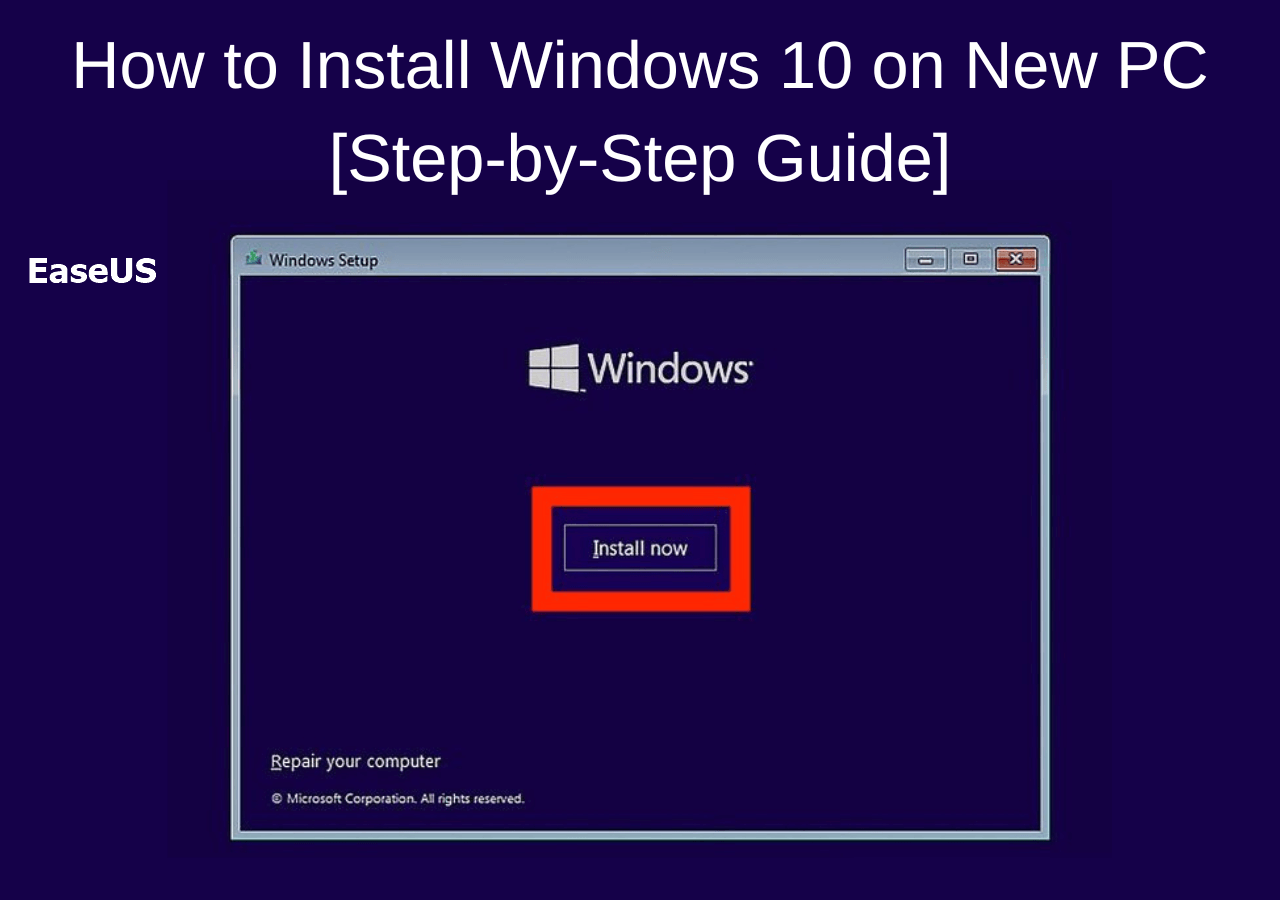
Welcome to the essential step of getting Cura ready to bring your 3D models to life. Before we dive into the installation process, it’s crucial to ensure your system is prepared. This section will guide you through the necessary hardware and operating system specifications, followed by a clear, step-by-step procedure for downloading and installing Cura on your chosen platform.Understanding the system requirements will help you avoid potential performance issues and ensure a smooth experience with the software.
Cura, while powerful, has certain baseline needs to function optimally. We will cover the specifics for Windows, macOS, and Linux, ensuring you have all the information needed to proceed.
Minimum Hardware and Operating System Specifications
To ensure a stable and efficient experience when using Cura, it is recommended to meet or exceed the following minimum system specifications. Meeting these requirements will allow the software to process models and generate print paths without significant delays or crashes.The primary components to consider are your processor, RAM, and graphics card, alongside your operating system version.
- Operating System: Windows 7 or newer (64-bit), macOS 10.10 or newer, or a modern Linux distribution (64-bit).
- Processor: A modern multi-core processor (e.g., Intel Core i3 or equivalent AMD processor) is recommended for faster slicing times.
- RAM: A minimum of 4 GB of RAM is required, with 8 GB or more recommended for handling complex models and larger print jobs.
- Graphics Card: A dedicated graphics card with at least 1 GB of VRAM is recommended for optimal performance of the 3D viewport. Integrated graphics may work but can lead to slower rendering.
- Hard Disk Space: At least 1 GB of free disk space for installation, with additional space recommended for storing profiles and sliced files.
Downloading the Correct Cura Installer
The first step in the installation process is to obtain the correct installer for your operating system. Ultimaker, the developer of Cura, provides a centralized and user-friendly download portal. It is important to download the software directly from the official source to ensure you are getting the latest, legitimate version and to avoid potential security risks from unofficial sources.The download page is designed to automatically detect your operating system, simplifying the process.
However, it is always good to be aware of the different versions available.
- For Windows: Navigate to the official Ultimaker Cura download page. The website will typically detect that you are using Windows and present the Windows installer for download. Click the download button, and the executable file (.exe) will begin downloading.
- For macOS: On the same download page, if you are on a macOS system, the appropriate disk image file (.dmg) will be offered. Click the download button to retrieve the installer.
- For Linux: For Linux users, the download page usually offers a direct download of a .deb or .rpm package, or a compressed archive (.tar.gz) that contains the executable. Follow the on-screen instructions for your specific distribution, which may involve using a package manager or extracting the archive and running an executable script.
Typical Installation Process
Once you have downloaded the correct installer for your operating system, the installation process is generally straightforward. Cura has been designed to be user-friendly, with most users able to complete the installation with minimal technical expertise. The installer guides you through each step, making it an intuitive experience.The installation wizard will present you with a series of screens, each asking for confirmation or specific choices.
It’s important to read through these prompts carefully to ensure you understand what is being selected.
- Run the Installer: Locate the downloaded installer file (e.g., Cura-X.X.X.exe for Windows, Cura-X.X.X.dmg for macOS) and double-click it to launch the installation wizard.
- License Agreement: You will be presented with the software’s End-User License Agreement (EULA). Read through the terms and conditions, and if you agree, select the option to accept and proceed.
- Installation Location: The installer will suggest a default installation directory. For most users, accepting the default location is perfectly fine. However, if you wish to install Cura in a different folder, you can browse and select an alternative path.
- Component Selection (Optional): Some installers may offer the option to select specific components to install. For a standard installation, it is recommended to install all components.
- Start Installation: After confirming your choices, click the “Install” or “Next” button to begin the file copying and setup process. This may take a few minutes depending on your system’s speed.
- Completion: Once the installation is complete, you will typically see a confirmation screen. You may have an option to launch Cura immediately. Click “Finish” or “Close” to exit the installer.
For Linux, the process might involve using your system’s package manager (e.g., `sudo dpkg -i cura-X.X.X.deb` for Debian-based systems) or extracting the archive and running a script. The installer will guide you through adding necessary shortcuts and ensuring the software is properly integrated into your system.
Initial Configuration and Printer Setup
Once Cura has been successfully installed and you have familiarized yourself with its interface, the next crucial step is to configure it for your specific 3D printer. This process ensures that Cura generates G-code files that are compatible with your machine’s capabilities, leading to successful and high-quality prints. Setting up your printer profile accurately is fundamental to the entire 3D printing workflow.This section will guide you through the process of adding a new 3D printer profile, selecting or inputting your printer’s specifications, and configuring essential machine settings.
Taking the time to perform these steps correctly will prevent common printing issues and optimize your slicing experience.
Adding a New 3D Printer Profile
Cura allows you to manage multiple printer profiles, which is particularly useful if you own more than one 3D printer or if you want to experiment with different printer configurations. Adding a new profile involves a straightforward process within the Cura software.To add a new printer profile, navigate to the printer settings. This is typically found by clicking on the printer name displayed at the top of the Cura window, which will open a dropdown menu.
From this menu, select “Add Printer.” This action will initiate the printer selection wizard, guiding you through the subsequent steps.
Selecting or Manually Entering Printer Specifications
Upon initiating the “Add Printer” wizard, you will be presented with two primary options for defining your printer: selecting from a pre-defined list or manually entering the specifications.The built-in library contains profiles for a vast array of popular 3D printer models from various manufacturers. If your printer is listed, selecting it is the quickest and most reliable method, as it pre-populates many of the necessary settings.
Simply browse or search for your printer model and click “Add.”If your printer is not found in the library, or if you are using a custom-built machine, you will need to select “Custom” and manually input the required specifications. This involves providing details about your printer’s physical dimensions and mechanical characteristics.
Common Printer Settings Configuration
When setting up a custom printer profile, or verifying settings for a pre-defined one, several key parameters need to be accurately configured. These settings directly influence how Cura calculates print movements, material extrusion, and build plate adhesion.The most critical settings include:
- Build Plate Size: This defines the printable area of your 3D printer. It is typically specified as the X (width) and Y (depth) dimensions of the build surface in millimeters. For example, a common build plate size might be 220mm x 220mm.
- Nozzle Diameter: This is the diameter of the opening through which the melted filament is extruded. Standard nozzle sizes are 0.4mm, but other sizes like 0.2mm or 0.8mm are also used for different print qualities and speeds.
- Filament Diameter: This specifies the diameter of the filament you are using. The most common filament diameter is 1.75mm, but 2.85mm (often referred to as 3mm) is also prevalent.
- G-code Flavor: This setting determines the dialect of G-code that Cura will generate. Common flavors include Marlin, RepRap, Ultimaker, and MakerBot. It’s essential to select the flavor that your printer’s firmware understands.
Machine Settings Guide
Beyond the fundamental parameters, there are more advanced machine settings that allow for fine-tuning your printer’s behavior within Cura. Configuring these settings ensures optimal performance and can help resolve specific printing challenges.The machine settings are typically organized into several categories:
Print Temperature
This section allows you to set the default printing temperatures for both the nozzle and the build plate. These values are highly dependent on the type of filament you are using. For instance, PLA typically prints around 190-220°C, while ABS requires higher temperatures, often 230-260°C, with the build plate heated to 90-110°C. Always refer to your filament manufacturer’s recommendations.
Build Plate Adhesion Type
This setting controls how Cura generates structures to help the print adhere to the build plate. The common options are:
- Skirt: A single or multiple Artikels printed around the model without touching it. It primes the nozzle and ensures filament flow before the actual print begins.
- Brim: A single layer of lines printed around the base of the model, extending outwards. This significantly improves adhesion for models with small contact areas or those prone to warping.
- Raft: A thick base structure printed below the model. It provides a very stable foundation, especially for difficult-to-adhere materials or uneven build surfaces.
Retraction Settings
Retraction is a crucial setting for preventing stringing and blobs during printing. When the print head moves between different parts of a model, the filament is slightly pulled back into the nozzle to stop extrusion. Key parameters here include:
- Retraction Distance: The amount of filament (in millimeters) to pull back. A common starting point for Bowden extruders is 5-7mm, while direct drive extruders might use 0.5-2mm.
- Retraction Speed: The speed (in mm/s) at which the filament is retracted. Typical values range from 25-60 mm/s.
Cooling Settings
This section manages the part cooling fan, which is essential for cooling extruded plastic to solidify it properly.
- Enable Print Cooling: A toggle to turn the fan on or off.
- Fan Speed: The percentage of the fan’s maximum speed. For PLA, higher fan speeds (e.g., 100%) are generally beneficial, while for materials like ABS, it might be turned off or set to a lower percentage (e.g., 0-30%) to prevent warping.
Machine Center as Origin
This setting determines whether your printer’s origin (0,0,0 coordinates) is at a corner of the build plate or at its center. Most printers are configured with the origin at a corner, but some advanced setups might use the center. Ensure this matches your printer’s homing behavior.
Custom G-code
For advanced users, Cura provides fields to insert custom G-code commands that are executed at specific points during the printing process, such as at the start or end of a print, or when a layer changes. This can be used for custom bed leveling routines or other specialized functions.By carefully configuring these machine settings, you create a robust profile that allows Cura to generate optimal print paths and material deposition strategies for your specific 3D printer, laying the groundwork for successful and repeatable prints.
Understanding the Cura Interface and Basic Settings
Now that Cura is installed and your printer is set up, let’s familiarize ourselves with its user interface and the fundamental settings that significantly influence your 3D prints. A clear understanding of these elements will empower you to achieve better print quality and optimize print times.The Cura software presents a clean and intuitive layout designed to guide you through the slicing process efficiently.
Key areas include the 3D preview window, the print settings panel, and the toolbar. Each plays a crucial role in preparing your model for printing.
Main Components of the Cura User Interface
The Cura interface is structured to provide quick access to all necessary tools and settings. Understanding these core components will make navigating the software much simpler.
- 3D Preview: This is the central and most prominent area of the screen. It displays a visual representation of your 3D model, allowing you to inspect it from all angles. Once sliced, this window will also show you the toolpath, indicating how the printer head will move layer by layer.
- Print Settings Panel: Located typically on the right-hand side of the screen, this panel houses all the adjustable parameters for your print. These settings are categorized to help you find what you need, from basic quality adjustments to advanced material profiles.
- Toolbar: Situated at the top of the interface, the toolbar provides quick access to common functions such as opening files, saving projects, undo/redo actions, and switching between the “Prepare” (slicing) and “Monitor” (if connected to a printer) modes.
Essential Print Settings and Their Impact
The print settings panel is where you fine-tune how your model will be sliced. Several basic settings have a profound effect on the final outcome of your print. Adjusting these can significantly alter print quality, strength, and the time it takes to complete a print.
The following table Artikels some of the most critical basic print settings, their purpose, and how they can influence your 3D prints. Experimenting with these is key to mastering Cura.
| Setting | Description | Impact |
|---|---|---|
| Layer Height | Determines the thickness of each printed layer. Measured in millimeters (mm), a smaller value results in thinner layers. | Affects print resolution and vertical surface smoothness. Lower layer heights (e.g., 0.1mm) produce smoother surfaces with finer details but increase print time significantly. Higher layer heights (e.g., 0.3mm) result in more visible layer lines but are much faster. |
| Infill Density | Specifies the percentage of internal structure within the print. This structure can be solid, a grid, or other patterns. | Influences strength, material usage, and print time. A higher infill density (e.g., 80-100%) makes the print very strong and solid but uses more material and takes longer. A lower density (e.g., 10-20%) is sufficient for many aesthetic prints, saving material and time. For example, a functional part needing high strength might require 70% infill, while a decorative figurine could be perfectly fine with 15%. |
| Print Speed | Controls the rate at which the print head moves while extruding filament. Measured in millimeters per second (mm/s). | Impacts print quality, detail, and overall print duration. Faster print speeds (e.g., 80-100 mm/s) reduce print time considerably but can compromise detail and surface finish, especially on complex geometries. Slower speeds (e.g., 40-60 mm/s) generally yield better quality and finer details but extend the print duration. For instance, printing a detailed miniature at 100 mm/s might result in blurred features, whereas printing it at 40 mm/s would capture much finer details. |
Understanding how these settings interact is crucial. For instance, reducing the layer height to achieve finer detail will naturally increase print time. Similarly, increasing infill density for strength will also extend the print duration. Balancing these factors based on the intended use of your printed object is a fundamental skill in 3D printing.
Advanced Slicing Parameters
As you become more familiar with Cura, you’ll discover a wealth of advanced settings that allow for fine-tuning your prints to achieve exceptional quality and reliability. This section delves into crucial parameters that can significantly impact the success of your 3D prints, focusing on support structures and build plate adhesion. Understanding and correctly configuring these settings will empower you to tackle complex geometries and overcome common printing challenges.
Support Structures
Support structures are temporary elements generated by the slicer to hold up overhangs and bridges in your 3D model that would otherwise print in mid-air, leading to print failures. Their necessity arises when a model has features that extend outwards at an angle greater than a specified threshold (typically around 45-60 degrees) or when bridging gaps. Without adequate support, these unsupported sections can sag, deform, or completely collapse during the printing process.
Types of Support Structures and Configurations
Cura offers several types of support structures, each with its own set of configurable parameters to optimize for ease of removal and print quality.
- Normal: This is the standard support type, creating a tree-like or grid-like structure directly beneath unsupported areas.
- Tree: Tree supports are designed to be more efficient in material usage and easier to remove. They branch out from the build plate or the model itself, touching the overhang at only a few points. This minimizes contact area with the model, reducing scarring.
Key configuration settings for support structures include:
- Generate Support: A toggle to enable or disable support generation.
- Support Placement: Options include ‘Everywhere’ (supports generated under any overhang, even if it’s above another part of the model) or ‘Touching Buildplate’ (supports only generated directly from the build plate).
- Support Overhang Angle: The angle at which overhangs will require support. Common values range from 45 to 60 degrees.
- Support Density: Controls the infill percentage of the support structure, affecting its strength and material usage. Lower density means less material and easier removal, but potentially less stable support.
- Support Z Distance: The gap between the support structure and the model. A larger gap makes supports easier to remove but can lead to less accurate overhang surfaces.
- Support X/Y Distance: The horizontal gap between the support structure and the model.
- Support Interface: This creates a dense layer on top and/or bottom of the support structure, providing a smoother surface for the model to print on and improving the quality of the overhang surface. This is highly recommended for better results.
- Support Pattern: The infill pattern used for the support structure (e.g., Grid, Lines, Concentric).
Procedure for Enabling and Configuring Support Structures
Enabling and configuring support structures in Cura is a straightforward process:
- Load your 3D model into Cura.
- Navigate to the ‘Print Settings’ panel.
- Locate the ‘Support’ category.
- Enable ‘Generate Support’ by checking the box.
- Choose your desired ‘Support Placement’ (e.g., ‘Touching Buildplate’ for simpler models or ‘Everywhere’ for more complex ones with internal overhangs).
- Adjust the ‘Support Overhang Angle’ based on your model’s geometry. Start with 50 degrees and adjust as needed.
- Experiment with ‘Support Density’. A density between 10-20% is often a good starting point for tree supports, while normal supports might benefit from slightly higher densities for complex overhangs.
- Set ‘Support Z Distance’ to a small value, typically 0.1-0.2mm, to ensure good contact for surface quality.
- Enable ‘Support Interface’ for both ‘Top’ and ‘Bottom’ if you require smooth overhang surfaces. Configure its density and pattern as desired.
- Review the sliced model in preview mode to ensure the supports are generated correctly and are not interfering with critical model features.
Build Plate Adhesion
Build plate adhesion refers to techniques used to ensure the first layer of your print sticks firmly to the build surface. Without proper adhesion, prints can detach from the build plate mid-print, causing them to fail. This is particularly crucial for large prints, those with small contact areas, or when printing with materials that are prone to warping.
Settings Related to Build Plate Adhesion
Cura provides several options to enhance first-layer adhesion:
- Skirt: A line or series of lines printed around the model’s perimeter on the first layer, but not touching it. It serves to prime the nozzle and ensure a consistent flow of filament before the actual print begins. It does not provide adhesion support but helps verify extrusion.
- Brim: A single layer of extruded material that extends outwards from the base of your model, creating a wider footprint on the build plate. It’s like a single-layer skirt that is attached to the model’s base. This significantly increases the surface area in contact with the build plate, preventing warping and improving stability.
- Raft: A thick, multi-layer base printed beneath the model. The raft consists of a few layers of material that create a large, flat surface for the model to adhere to. The model is then printed on top of this raft. Rafts are the most robust adhesion method but consume more material and can leave a textured surface on the bottom of your print.
Comparison of Adhesion Methods for Various Print Geometries
The effectiveness of each adhesion method varies depending on the specific characteristics of your 3D model and the material being used.
- Skirts: Ideal for models with a large, stable base where adhesion is not a primary concern. They are primarily used to ensure the nozzle is primed and extruding consistently. They offer no direct adhesion benefit.
- Brims: Highly effective for models with sharp corners, small contact areas with the build plate, or when printing with materials prone to warping, such as ABS or Nylon. The increased surface area provided by the brim significantly reduces the risk of the print lifting or detaching. For example, a tall, thin cylinder would benefit greatly from a brim to prevent it from toppling over.
- Rafts: Best suited for prints with extremely small footprints, complex geometries that are difficult to support with brims, or when dealing with highly warp-prone materials and challenging print environments. For instance, a model with only a few small contact points on the build plate would be a prime candidate for a raft. However, it’s important to note that rafts can sometimes affect the surface finish of the bottom of the print, requiring post-processing to achieve a smooth surface.
Material-Specific Settings and Profiles

Successfully configuring your slicer software involves more than just general settings; it requires a deep understanding of how different filament types interact with your 3D printer. Each material possesses unique thermal properties and flow characteristics that necessitate tailored print settings to achieve optimal results, prevent print failures, and ensure the desired part quality. Cura’s material profiles are designed to simplify this process, providing a starting point for various common filaments.This section delves into the critical material-specific settings and how to leverage Cura’s profile system.
Understanding these nuances will empower you to fine-tune your prints for materials beyond the standard, leading to more reliable and higher-quality outputs.
Filament Type Requirements
Different filament materials have distinct melting points, glass transition temperatures, and adhesion properties, directly impacting the ideal print parameters. For instance, materials like ABS require significantly higher temperatures than PLA due to their higher melting points and tendency to warp without proper heat management. Conversely, materials like PETG offer a balance, requiring moderate temperatures but exhibiting different stringing behaviors compared to PLA or ABS.
Temperature Settings for Nozzle and Build Plate
The nozzle temperature is crucial for melting the filament consistently, ensuring proper layer adhesion and extrusion flow. The build plate temperature, on the other hand, is vital for the first layer’s adhesion and preventing warping, especially for materials with high thermal contraction.The following table Artikels recommended temperature ranges for common filament types. These are starting points, and slight adjustments may be necessary based on your specific printer, filament brand, and ambient environmental conditions.
| Filament Type | Nozzle Temperature (°C) | Bed Temperature (°C) |
|---|---|---|
| PLA | 190-220 | 50-60 |
| ABS | 230-260 | 90-110 |
| PETG | 220-250 | 70-85 |
Retraction Settings for Stringing Prevention
Stringing, or “oozing,” occurs when molten plastic is pulled from the nozzle during non-print moves, leaving fine wisps of filament between printed parts. Retraction settings control how much filament is pulled back into the nozzle and at what speed during these travel moves. Properly configured retraction is essential for clean prints, particularly with filaments prone to oozing.The effectiveness of retraction settings can vary significantly based on the filament’s viscosity and the printer’s extruder type (e.g., Bowden vs.
direct drive). Bowden extruders, with their longer filament path, often require higher retraction distances.The following list provides recommended retraction settings for common filament types. These values are typical and may require fine-tuning through test prints.
- PLA:
- Retraction Distance: 4-6 mm
- Retraction Speed: 25-50 mm/s
- ABS:
- Retraction Distance: 5-7 mm
- Retraction Speed: 30-60 mm/s
- PETG:
- Retraction Distance: 5-7 mm
- Retraction Speed: 40-60 mm/s
Common Material Profiles in Cura
Cura includes a library of pre-defined material profiles that serve as excellent starting points for various filaments. These profiles encapsulate the recommended temperature settings, retraction values, and other material-specific parameters. When you select a filament type in Cura, it automatically loads the corresponding profile, significantly simplifying the initial setup.It is highly recommended to start with these profiles and then make minor adjustments based on your observations during test prints.
This iterative process of testing and refining is key to achieving perfect prints for any material.Here is a structured overview of common material profiles and their typical settings:
- PLA:
- Nozzle Temperature: 190-220°C
- Bed Temperature: 50-60°C
- Retraction Distance: 4-6 mm
- Retraction Speed: 25-50 mm/s
- ABS:
- Nozzle Temperature: 230-260°C
- Bed Temperature: 90-110°C
- Retraction Distance: 5-7 mm
- Retraction Speed: 30-60 mm/s
- PETG:
- Nozzle Temperature: 220-250°C
- Bed Temperature: 70-85°C
- Retraction Distance: 5-7 mm
- Retraction Speed: 40-60 mm/s
Slicing and G-code Generation
Now that you have successfully configured Cura and your printer, the next crucial step is to transform your 3D model into instructions that your printer can understand. This process is known as slicing, and it culminates in the generation of G-code, the universal language of 3D printers. Understanding this phase is key to achieving successful and high-quality prints.Cura acts as the intermediary between your digital 3D design and the physical fabrication process.
It takes your 3D model, analyzes its geometry, and then applies the settings you’ve chosen to create a layer-by-layer path for your printer’s nozzle. This meticulously planned path is then translated into a series of commands that tell the printer exactly where to move, how fast, and when to extrude material.
Loading a 3D Model File
Cura supports a variety of common 3D file formats, making it compatible with most 3D modeling software. The most prevalent formats are .STL and .3MF, with .3MF offering more advanced features for color and material information.To load a model, you have several convenient options within Cura:
- Drag and Drop: The simplest method is to drag your 3D model file directly from your computer’s file explorer onto the Cura build plate displayed in the software.
- Open File Button: Locate the “Open File” button, typically found in the top-left corner of the Cura interface. Clicking this will open a standard file browser window, allowing you to navigate to and select your desired model.
- File Menu: You can also access the file loading functionality through the main menu. Navigate to “File” > “Open File(s)…” to achieve the same result as the dedicated button.
Once loaded, your 3D model will appear on the virtual build plate, ready for slicing.
Slicing the Model and Generating G-code
The slicing process in Cura is initiated with a single click after you have loaded your model and selected your desired print settings. Cura then performs a complex series of calculations to prepare the model for printing.The core steps involved are:
- Layer Segmentation: Cura divides the 3D model into thin horizontal layers, corresponding to the height of each printed layer. The number of layers is determined by your chosen layer height setting.
- Path Generation: For each layer, Cura calculates the precise path the printer’s nozzle will follow. This includes the outer perimeters, infill patterns, support structures (if enabled), and any raft or brim.
- Speed and Flow Calculation: Based on your material and print quality settings, Cura determines the optimal printing speed and the amount of filament to extrude at each point along the path.
- G-code Compilation: All these calculated movements and extrusion commands are compiled into a G-code file. This file is essentially a script of instructions for your 3D printer.
The “Slice” button, usually located in the bottom-right corner of the Cura window, initiates this entire process. Once slicing is complete, the button will change to display estimated print time and material usage.
Understanding G-code
G-code is a standardized programming language used by most CNC machines, including 3D printers. It consists of a series of commands that control every aspect of the printing process.Key G-code commands include:
- Movement Commands: Such as `G0` (rapid linear move) and `G1` (linear move with extrusion), which dictate the X, Y, and Z axis movements of the printer’s print head.
- Extrusion Commands: Commands like `E` within `G1` lines specify how much filament to extrude.
- Temperature Commands: `M104` (set nozzle temperature without waiting) and `M109` (set nozzle temperature and wait) control the hotend temperature.
- Fan Control: `M106` (fan on) and `M107` (fan off) manage the cooling fan speed.
- Homing and Initialization: Commands like `G28` (home all axes) are used to set the printer’s reference points.
A typical line of G-code might look like this:
G1 X10 Y20 E0.5 F3000
This command instructs the printer to move to coordinates X=10, Y=20, extrude 0.5 units of filament, at a feed rate of 3000 mm/minute.
Previewing the Sliced Model
Before sending the G-code to your printer, it is highly recommended to thoroughly preview the sliced model within Cura. This step is crucial for identifying potential issues that could lead to print failures.Cura’s preview mode allows you to visualize the print layer by layer. You can access this by clicking the “Preview” tab after slicing.
- Layer Navigation: A slider on the right side of the screen allows you to scroll through each individual layer of the print, from the bottom to the top.
- Color Coding: Different colors in the preview represent different printing actions, such as outer walls, inner walls, infill, supports, and travel moves. Understanding these color codes helps in identifying where certain parts of the print are being generated.
- Identifying Overhangs and Supports: You can easily spot areas where supports are generated, ensuring they are placed where needed and not excessively.
- Checking for Gaps or Collisions: By examining each layer, you can detect any unintended gaps in the model or potential collisions between the nozzle and previously printed sections.
- Infill Density and Pattern: The preview clearly shows the infill pattern and density, allowing you to confirm it meets your requirements for strength and material usage.
This detailed preview provides an invaluable opportunity to make any necessary adjustments to your slicing settings before committing to a physical print, saving you time, filament, and frustration. Once satisfied with the preview, you can save the G-code file to an SD card or send it directly to your printer if it’s connected via USB.
Customizing and Saving Profiles
Effectively managing your 3D printing settings is crucial for consistent and high-quality results. Cura allows you to save your meticulously tuned print configurations as custom profiles, which can be recalled and applied to future prints with ease. This feature streamlines your workflow, especially when dealing with different filament types, printer models, or specific print requirements.Creating and utilizing custom profiles significantly enhances your 3D printing experience by promoting repeatability and reducing the time spent reconfiguring settings for every new print.
It allows you to experiment with various parameters and save successful combinations for later use, ensuring you can achieve the same optimal results time and again.
Saving Custom Print Settings as User Profiles
Cura provides a straightforward mechanism to save your current print settings as a named profile. This is particularly useful after you have spent time optimizing parameters for a specific material or print type and wish to retain those settings for future projects.To save a custom profile:
- Adjust all desired print settings in the “Print Settings,” “Quality,” “Shell,” “Infill,” “Material,” and “Speed” tabs to your preferences.
- Once satisfied with the configuration, navigate to the top of the Cura interface, typically above the print settings panel.
- You will find a dropdown menu labeled with the current profile name (e.g., “Standard Quality”). Click on this dropdown.
- Select the option to “Save Current Settings as a New Profile.”
- A dialog box will appear, prompting you to enter a descriptive name for your new profile. Choose a name that clearly indicates the purpose of the profile, such as “PLA – Draft Quality” or “PETG – High Detail.”
- Click “Save” to confirm. Your new custom profile will now be available in the profile dropdown menu for future selection.
Importing and Exporting Cura Profiles
Sharing your optimized settings with others or backing up your configurations is made simple through Cura’s import and export functionality. This feature is invaluable for collaborating with fellow makers, troubleshooting, or migrating your settings to a new installation of Cura.To export a profile:
- Open the profile dropdown menu as described above.
- Select “Manage Profiles.”
- In the “Manage Profiles” window, locate the profile you wish to export.
- Click the export icon (often a downward arrow or similar symbol) next to the profile name.
- Choose a location on your computer to save the profile file, which will have a .curaprofile extension.
To import a profile:
- Navigate to “Manage Profiles” from the profile dropdown menu.
- Click the import icon (often an upward arrow or similar symbol).
- Browse your computer to find the .curaprofile file you wish to import.
- Select the file and click “Open.” The imported profile will now appear in your list of available profiles.
Benefits of Creating Different Profiles
The strategic creation of distinct profiles for various printing scenarios offers significant advantages in terms of efficiency, consistency, and print quality. By segmenting your settings, you can quickly switch between configurations tailored to specific needs without manual adjustments.Consider the following scenarios where distinct profiles are highly beneficial:
- Material-Specific Profiles: Different filament types, such as PLA, ABS, PETG, and TPU, have vastly different printing requirements regarding temperature, retraction, and cooling. Creating profiles like “PLA – Standard,” “ABS – High Temp,” or “TPU – Flexible” ensures optimal extrusion and adhesion for each material.
- Quality-Based Profiles: You might need a “Draft Quality” profile with faster print speeds and lower layer heights for quick prototypes, and a separate “High Detail” profile with slower speeds and finer layer heights for presentation models.
- Printer-Specific Profiles: If you use multiple 3D printers, each with its own nuances in terms of bed adhesion, stepper motor precision, or nozzle wear, dedicated profiles can account for these differences, ensuring consistent results across your fleet.
- Project-Type Profiles: For functional parts requiring strength, you might use a profile with higher infill density and specific infill patterns. For aesthetic models, you might prioritize smoother outer walls with more perimeters.
Methods for Managing Custom Cura Profiles
Effective management of your custom Cura profiles ensures that your library remains organized and that you can easily access the settings you need. This involves not only saving and importing/exporting but also maintaining a clear naming convention and periodically reviewing your profiles.Here are some recommended methods for managing your custom Cura profiles:
- Consistent Naming Convention: Adopt a clear and descriptive naming system for your profiles. A good format might be: `[Material Type]
-[Quality Level]
-[Printer Model, if applicable]`. For example, `PLA – Draft – Ender3` or `PETG – High Detail – PrusaMK3`. This makes it easy to scan and identify the correct profile at a glance. - Profile Categorization: If you have a large number of profiles, consider using the “Manage Profiles” window to organize them. While Cura doesn’t have explicit folder structures for profiles, a well-thought-out naming convention helps simulate categorization.
- Regular Review and Pruning: Periodically review your saved profiles. Remove any outdated or redundant profiles that are no longer in use. This keeps your profile list clean and prevents accidental selection of suboptimal settings.
- Backup Strategy: Regularly export your most important or frequently used profiles and store them in a safe location, such as cloud storage or an external hard drive. This acts as a backup in case of software reinstallation or data loss.
- Documentation: For complex or experimental profiles, consider keeping a separate text document or spreadsheet where you note down the specific print conditions, the intended use, and any observations or modifications made to that profile.
Troubleshooting Common Slicing Issues
While Cura is a powerful tool, encountering issues during the slicing process is a normal part of 3D printing. Understanding these common problems and their solutions will help you achieve successful prints more consistently. This section will guide you through identifying and resolving frequent challenges, from model imperfections to setting misconfigurations.Addressing slicing issues often involves a systematic approach to diagnose the root cause.
By carefully examining your model, reviewing your Cura settings, and understanding how different parameters affect the print, you can effectively troubleshoot and refine your slicing strategy.
Model Errors and Corrupt Files
Corrupted or improperly designed 3D models are a frequent source of slicing errors. These can manifest as gaps, holes, inverted normals, or non-manifold geometry that confuse the slicer, leading to incorrect toolpaths or failed prints. Cura includes tools to help identify and sometimes repair these issues.Before slicing, it’s beneficial to perform a mesh check within Cura.
- Importing the Model: Load your STL or 3MF file into Cura.
- Check Model Integrity: Navigate to the “Preview” mode after slicing. Look for any unusual or missing sections in the layer view.
- Using the Mesh Repair Tool: For more persistent issues, Cura can attempt to repair the mesh. Select the model, right-click, and choose “Mesh Fixes” > “Make Solid.” This attempts to close holes and create a watertight model.
- External Repair Software: If Cura’s built-in tools are insufficient, consider using external mesh repair software like Meshmixer or Netfabb. These programs offer more advanced tools for diagnosing and fixing complex geometry errors.
Support Structure Problems
Supports are crucial for printing overhangs and bridges, but incorrect support settings can lead to difficulties in removal, poor surface quality, or even print failures. The goal is to generate supports that are strong enough to hold the overhang but easy to detach from the model.Optimizing support settings requires understanding their impact on the print.
- Support Placement: In Cura’s “Quality” settings, you can choose between “Touching Buildplate” or “Everywhere.” “Touching Buildplate” is generally preferred as it minimizes contact points with the model itself.
- Support Overhang Angle: This setting determines at what angle overhangs will require support. A common starting point is 45-50 degrees. Increasing this value will generate supports for steeper overhangs.
- Support Density: This affects how solid the support structures are. Lower density makes them easier to break away but less stable. Higher density provides more support but can be harder to remove. Experiment with values between 10-20%.
- Support Interface: Enabling “Support Interface” creates a denser, more solid layer at the top and bottom of the support structure. This improves the surface quality of the model where it contacts the supports and can make them easier to peel off.
- Support Z Distance: This is the gap between the top of the support and the model. A larger gap makes removal easier, but too large a gap can lead to sagging of the overhang. A common value is 0.1-0.2 mm.
Overhangs and Bridging Issues
Overhangs are parts of a model that extend outwards without any direct support from below. Bridging occurs when the printer needs to print a horizontal line across an open space. Both can be challenging and require careful calibration of printer and slicer settings.Effective overhang and bridging performance depends on several factors.
- Cooling: Adequate part cooling is essential for solidifying extruded plastic quickly, especially for overhangs and bridges. Ensure your printer’s cooling fan is functioning correctly and set to an appropriate speed in Cura (often 100% for overhangs and bridges).
- Print Speed: Printing overhangs and bridges slower allows the plastic more time to cool and solidify before the next layer is deposited. Reduce the “Print Speed” for these specific features in Cura’s “Speed” settings.
- Retraction Settings: Properly tuned retraction helps prevent stringing during bridging. Ensure your “Retraction Distance” and “Retraction Speed” are optimized for your filament.
- Infill Pattern: For bridges, certain infill patterns can provide better support from below. Consider patterns like “Lines” or “Grid” for areas that require bridging.
- Support Settings: As mentioned previously, proper support placement and density are critical for complex overhangs.
Print Adhesion and Warping Problems
Poor print adhesion to the build plate or warping (lifting of the corners of the print) are common issues that can lead to print failures. These problems are often related to material properties, ambient temperature, and slicer settings.Improving print adhesion and minimizing warping involves a combination of hardware and software adjustments.
- Bed Temperature: Ensure your heated bed is at the correct temperature for your filament. For PLA, 50-60°C is typical; for ABS, 90-110°C is often required.
- First Layer Settings: The first layer is the most critical for adhesion.
- First Layer Speed: Print the first layer significantly slower than the rest of the print (e.g., 15-20 mm/s) to allow it to adhere properly.
- First Layer Height: A slightly thicker first layer can improve adhesion.
- First Layer Flow: Increasing the flow rate slightly for the first layer can help “squish” it onto the build plate.
- Bed Surface Preparation: A clean and properly prepared build surface is paramount. Use adhesion aids like glue stick, hairspray, or specialized build surface tapes if necessary.
- Draft Shield and Brim/Raft:
- Draft Shield: This is a single-wall skirt printed around the model to create a more stable environment and reduce drafts.
- Brim: A brim adds a single layer of material around the base of the model, increasing surface area contact with the build plate. This is very effective for preventing corner lifting.
- Raft: A raft prints a solid base beneath the model, providing excellent adhesion but can affect the bottom surface finish.
- Ambient Temperature: For materials prone to warping like ABS, printing in an enclosed printer or creating a draft-free environment can significantly reduce warping by maintaining a consistent temperature around the print.
Troubleshooting Table: Common Issues and Solutions
This table provides a quick reference for common problems and their corresponding solutions.
| Problem | Potential Causes | Solutions |
|---|---|---|
| Print not sticking to the bed | Incorrect bed temperature, dirty build plate, incorrect first layer settings, leveling issues | Adjust bed temperature, clean build plate, optimize first layer speed/height/flow, level bed properly, use brim/raft, apply adhesion aids. |
| Warping (corners lifting) | Uneven cooling, insufficient bed adhesion, large temperature gradients | Increase bed temperature, use brim/raft, print in an enclosed environment, reduce cooling fan speed for early layers. |
| Stringing or Oozing | Incorrect retraction settings, wet filament, printing too hot | Optimize retraction distance and speed, dry filament, reduce printing temperature. |
| Layer Shifting | Loose belts, stepper motor overheating, excessive print speed, nozzle collision | Tighten belts, ensure adequate cooling for stepper motors, reduce print speed, check for obstructions, ensure Z-hop is enabled. |
| Poor overhang quality | Insufficient cooling, printing too fast, inadequate support | Increase part cooling fan speed, reduce print speed for overhangs, optimize support settings (angle, density, interface). |
| Bridging fails (sagging) | Insufficient cooling, printing too fast, incorrect bridging settings | Increase part cooling fan speed, reduce bridging speed, adjust bridging flow, ensure proper support for the bridge. |
| Visible layer lines or poor surface finish | Inconsistent extrusion, incorrect layer height, vibration | Calibrate E-steps, ensure consistent filament diameter, optimize layer height, check printer stability and vibration damping. |
Integrating with 3D Printers and File Transfer
Once your slicing profiles are finely tuned and you’re ready to bring your digital designs to life, the next crucial step is to effectively transfer the generated G-code to your 3D printer. Cura offers various methods for this, ranging from direct connections to more traditional file transfer techniques, each with its own advantages. Understanding these options and the best practices associated with them will ensure a smooth and successful printing experience.This section will guide you through the process of connecting Cura to your 3D printer, exploring different file transfer methods, and outlining essential preparation steps before you initiate a print.
Direct Printer Connection and G-code Transfer
Many modern 3D printers support direct communication with slicing software like Cura, allowing for real-time G-code streaming. This method can be particularly convenient as it eliminates the need for intermediate storage devices and can offer some monitoring capabilities directly within Cura. The feasibility and implementation of this feature depend heavily on your specific printer model and its firmware.To establish a direct connection, ensure your printer is powered on and connected to your computer via a USB cable.
Within Cura, navigate to the printer settings or preferences. You should find an option to add or configure a printer. If your printer is recognized by your operating system, Cura may automatically detect it or provide a list of compatible printers. Selecting your printer model and confirming the connection through the appropriate port (e.g., COM port on Windows, /dev/ttyUSB or /dev/ttyACM on Linux) will establish the link.
Once connected, you can often initiate prints directly from Cura, with the G-code being streamed to the printer as it’s generated.
Common File Transfer Methods
For printers that do not support direct connection, or as a preferred method for many users, transferring G-code files via removable media or direct USB drives is the standard approach. These methods are reliable and widely compatible across different printer models.The most prevalent methods for transferring G-code files to your 3D printer include:
- SD Card Transfer: This is a very common and reliable method. After slicing your model in Cura, save the generated G-code file (typically with a .gcode extension) to an SD card. Ensure the SD card is properly formatted (usually FAT32) and inserted into your computer’s card reader. Once saved, safely eject the SD card from your computer and insert it into the designated SD card slot on your 3D printer.
You can then select the file from your printer’s on-screen menu to begin the print.
- USB Drive Transfer: Similar to SD cards, many printers also accept standard USB flash drives. Slice your model and save the G-code file directly to a USB drive. Eject the drive safely from your computer and plug it into the USB port on your 3D printer. Navigate the printer’s menu to locate and select the G-code file for printing.
- Network Transfer (Wi-Fi/Ethernet): Some advanced printers and printer management systems offer network connectivity. If your printer supports this, you might be able to transfer files directly over your local network. This often involves setting up the printer with an IP address and then using Cura’s network features or a separate interface to upload the G-code file to the printer’s internal storage or a network-accessible location.
Best Practices for Printer and G-code Preparation
Before initiating any print, taking a few preparatory steps can significantly reduce the chances of failure and ensure a higher quality outcome. This involves ensuring both your printer and the G-code file are in optimal condition.To prepare your 3D printer and the G-code file for a successful print, consider the following:
- Printer Calibration and Maintenance:
- Bed Leveling: A perfectly level print bed is paramount for good first-layer adhesion. Ensure your print bed is properly leveled according to your printer’s manual. Many printers have auto-leveling features that should be run regularly.
- Nozzle Cleanliness: A clean nozzle free from hardened filament or debris is essential for consistent extrusion. Perform a cold pull or use a brass brush to clean the nozzle before starting a print.
- Belts and Rods: Check that the printer’s belts are tensioned correctly and that the movement axes (X, Y, Z) are smooth and free of obstructions. Lubricate rods and screws as recommended by the manufacturer.
- Filament Spool Check: Ensure your filament spool is loaded correctly, unwinding smoothly without tangles.
- G-code File Verification:
- Review Print Settings: Before saving or transferring, quickly review the key settings in Cura for the specific print, such as layer height, infill, print speed, and temperature.
- File Naming Convention: Use clear and descriptive file names for your G-code files. This helps in identifying the correct file on the printer’s interface, especially if you have multiple prints saved.
- First Layer Preview: Some slicers or printer interfaces allow you to preview the first few layers of the G-code. This can sometimes reveal immediate issues with the slicing or geometry.
- Printer Environment:
- Stable Surface: Ensure your 3D printer is placed on a stable, vibration-free surface.
- Ambient Temperature: For certain materials like ABS, maintaining a stable and warm ambient temperature within an enclosure can prevent warping.
By diligently following these preparation steps, you significantly increase the likelihood of a successful and high-quality 3D print.
Conclusion
By diligently following these steps, you will not only successfully install and configure Cura Slicer Software but also gain the confidence to tackle any 3D printing project. From understanding basic settings to fine-tuning advanced parameters and troubleshooting potential problems, this guide empowers you to achieve exceptional print results consistently. Happy printing!