As How to Organize Your 3D Printing Tools and Supplies takes center stage, this opening passage beckons readers into a world crafted with good knowledge, ensuring a reading experience that is both absorbing and distinctly original. Embarking on the journey of 3D printing is an exciting endeavor, and maintaining a well-ordered workspace is paramount to unlocking its full potential.
A cluttered environment not only hinders efficiency but can also introduce safety hazards and lead to frustrating printing errors and wasted materials. This guide is designed to transform your 3D printing area into a model of precision and productivity, making every print session smoother and more enjoyable.
We will delve into the fundamental importance of an organized 3D printing space, meticulously identifying the essential tools and supplies that form the backbone of your operation. Furthermore, we will explore the art of designing an efficient workspace layout, offering practical solutions for smart storage of both tools and printing materials. From effective labeling and inventory management to establishing sustainable organizational routines and prioritizing safety, this comprehensive resource will equip you with the knowledge to create and maintain a highly functional and visually appealing 3D printing setup, adaptable to various printing technologies.
Understanding the Importance of Organized 3D Printing Spaces

A well-organized 3D printing workspace is more than just aesthetically pleasing; it is fundamental to achieving consistent, high-quality prints and ensuring a safe and efficient operational environment. When your tools, materials, and printer are arranged logically, you minimize the time spent searching for items, reduce the likelihood of accidents, and create a more conducive atmosphere for creative problem-solving and iterative design.
This structured approach directly impacts your productivity and the overall success of your 3D printing endeavors.A cluttered workspace can be a breeding ground for errors. Misplaced tools might lead to accidental damage to your printer or prints, while disorganized filament spools can become tangled or exposed to environmental factors that degrade their quality. Furthermore, a chaotic environment increases the risk of tripping hazards or contact with hot components, compromising personal safety.
By contrast, a systematic arrangement allows for a clear workflow, from preparing your build plate to post-processing your prints, thereby enhancing both the quality of your output and your personal well-being.
Benefits of an Organized 3D Printing Workspace
The advantages of maintaining an organized 3D printing setup are multifaceted, directly contributing to improved efficiency and safety. This structured approach minimizes downtime, reduces material waste, and fosters a more enjoyable and productive printing experience.
- Enhanced Efficiency: With tools and materials readily accessible, the time spent on setup, maintenance, and post-processing is significantly reduced. This allows for more prints to be completed in a given timeframe.
- Reduced Material Waste: Proper storage of filaments prevents moisture absorption and degradation, ensuring optimal printing conditions and fewer failed prints due to material issues. Organized tools also minimize the risk of accidental damage to prints during removal or finishing.
- Improved Print Quality: A clean and organized environment means less dust and debris can interfere with the printing process, leading to smoother surfaces and fewer print defects. Consistent access to calibrated tools also aids in maintaining print accuracy.
- Increased Safety: Keeping tools and equipment in designated places reduces the risk of accidents, such as cuts from sharp tools or burns from hot printer parts. Clear pathways prevent tripping hazards.
- Streamlined Workflow: A logical arrangement of your workspace supports a seamless transition between different stages of the 3D printing process, from slicing models to removing finished parts.
Preventing Common Printing Errors and Material Waste
A structured environment is a proactive defense against the common pitfalls that plague 3D printing. By understanding the root causes of frequent issues, you can implement organizational strategies to mitigate them.
- Filament Storage: Moisture is a primary enemy of many 3D printing filaments, leading to stringing, poor layer adhesion, and brittle prints. Storing filaments in airtight containers with desiccant packs, clearly labeled with the filament type and purchase date, is crucial. This prevents costly waste and ensures you are using filament at its best quality. For example, PETG and Nylon are particularly hygroscopic and require diligent moisture management.
- Tool Accessibility: Essential tools like spatulas, scrapers, cutters, and calibration aids should be kept in easily accessible, designated holders or drawers. The absence of a necessary tool during a critical moment can lead to rushed actions, potentially damaging the print or the printer.
- Build Plate Preparation: A clean and level build plate is paramount for successful first-layer adhesion. Having dedicated cleaning supplies (e.g., isopropyl alcohol, lint-free cloths) and calibration tools (e.g., feeler gauges) within reach ensures this crucial step is performed correctly and efficiently every time.
- Printer Maintenance: Regular maintenance, such as cleaning nozzles and lubricating moving parts, is vital. An organized space makes it easier to locate the necessary cleaning tools and lubricants, promoting consistent printer performance and longevity.
Methods for Assessing Workspace Clutter and Identifying Areas for Improvement
Before implementing organizational strategies, it is beneficial to conduct a thorough assessment of your current 3D printing space. This involves a critical evaluation of your existing setup to pinpoint inefficiencies and potential hazards.
Begin by performing a visual audit of your workspace. Take a step back and observe how you interact with your printer and supplies. Note down any items that are frequently misplaced, difficult to reach, or seem to be accumulating without a clear purpose. Consider the workflow: does your current arrangement support a logical progression from one task to the next, or are there bottlenecks?
Workspace Assessment Techniques
To effectively identify areas for improvement, employ structured methods that encourage a critical and objective review of your space.
- The “Walk-Through” Method: Simulate your typical 3D printing workflow from start to finish. As you perform each step (e.g., loading filament, starting a print, removing a print, post-processing), consciously observe where items are located and how easily you can access them. Note any moments of frustration or inefficiency.
- Categorization and Inventory: Group similar items together (e.g., all tools, all types of filament, all spare parts). This exercise helps reveal redundancies and items that are not being used. Create a simple inventory list to track what you have and where it is stored.
- Safety Check: Systematically inspect your workspace for potential hazards. This includes checking for loose cables, adequate ventilation, proximity of flammable materials to heat sources, and clear escape routes from the printer area.
- Time-Motion Study (Informal): Pay attention to how long it takes to find specific items or complete common tasks. If you consistently spend more than a few seconds searching for a tool, that area requires attention.
- Feedback Loop: If others use your 3D printing space, ask for their input. They may notice inefficiencies or safety concerns that you have become accustomed to.
“A place for everything, and everything in its place.”
This adage, while simple, is the cornerstone of an effective and efficient workspace.
Essential Tools and Supplies for 3D Printing

A well-organized 3D printing setup not only enhances efficiency but also ensures the longevity and optimal performance of your equipment. Understanding the essential tools and supplies is the first step towards achieving this. This section will guide you through the must-have items for any 3D printing enthusiast, categorized for clarity and ease of management.Having the right tools and supplies readily accessible can significantly streamline your 3D printing workflow, from preparing your workspace to finishing your printed objects.
This comprehensive overview will help you identify what you need and how to best organize it.
Post-Processing Tools
Post-processing is a crucial stage in 3D printing, transforming a raw print into a polished, functional object. A dedicated set of tools makes this process more manageable and effective.
- Deburring Tool: Essential for removing small, sharp edges or excess material (blobs) left on the print after removal from the build plate or support structures.
- Flush Cutters/Wire Cutters: Ideal for precisely snipping away support material, rafts, and brim without damaging the main print. Look for models with sharp, angled blades.
- Hobby Knife/Craft Knife: Versatile for detailed work, such as trimming small imperfections, cleaning up corners, or carefully removing stubborn support remnants.
- Sanding Blocks/Sandpaper: Available in various grits (from coarse to very fine), these are used to smooth out layer lines and surface imperfections, preparing the print for painting or further finishing.
- Files (Needle Files, Flat Files): Useful for shaping, smoothing, and removing material from harder-to-reach areas or for more aggressive material removal than sandpaper.
- Scrapers/Spatulas: Primarily used to carefully detach prints from the build plate, especially those with strong adhesion. A flexible metal scraper is often preferred.
- Heat Gun/Hair Dryer: Can be used to gently heat small imperfections, allowing them to be smoothed out, or to soften plastic for minor adjustments.
- Safety Glasses: Crucial for protecting your eyes from flying debris during sanding, cutting, or scraping.
Maintenance and Calibration Tools
Regular maintenance and precise calibration are key to ensuring consistent print quality and preventing costly failures. These tools help you keep your 3D printer in top working order.
- Allen Wrenches/Hex Keys: Most 3D printers use hex screws for assembly and adjustments. Having a set of metric Allen wrenches is indispensable for tightening components or making mechanical adjustments.
- Nozzle Cleaning Needles/Drill Bits: Small, fine needles or appropriately sized drill bits are used to clear blockages in the 3D printer nozzle, ensuring smooth filament extrusion.
- Feeler Gauges: Essential for accurately setting the nozzle-to-bed gap during bed leveling. This ensures proper first layer adhesion and prevents nozzle collisions.
- Digital Caliper: For precise measurement of filament diameter, print dimensions, or for checking the accuracy of your prints.
- Screwdrivers (Phillips, Flathead): General-purpose screwdrivers are often needed for various maintenance tasks, such as disassembling parts for cleaning or replacing components.
- Lubricant (PTFE, Silicone Oil): Used to lubricate moving parts like Z-axis lead screws, linear rails, or smooth rods to ensure smooth motion and reduce wear.
- IPA (Isopropyl Alcohol): A common cleaning agent for removing grease and residue from build plates, ensuring optimal adhesion for subsequent prints.
Filament Handling and Storage Tools
Proper handling and storage of your printing materials are vital for maintaining filament quality and preventing issues like moisture absorption, which can lead to poor print quality.
- Filament Spool Holder: While many printers have integrated spool holders, an external or upgraded one can offer smoother filament feeding and better tension management.
- Filament Dryer: A dedicated device or a DIY solution (like an oven set to a low temperature) to dry out hygroscopic filaments (like PETG, Nylon, TPU) that have absorbed moisture.
- Silica Gel Packets/Desiccants: Placed inside filament storage containers to absorb any residual moisture, keeping filaments dry.
- Airtight Storage Containers/Bags: Crucial for storing filament spools when not in use. These prevent moisture and dust from degrading the filament.
- Filament Cutter/Scissors: For cleanly cutting filament ends to prevent them from snagging or causing issues during loading.
- Digital Scale: Useful for accurately weighing filament spools to estimate remaining material, which can help in planning print jobs.
Common 3D Printing Supplies
The choice of printing material significantly impacts the final product’s properties, aesthetics, and application. Understanding the different types available is key to selecting the right one for your project.
Filament Forms
Filaments are the most common material for FDM (Fused Deposition Modeling) 3D printers. They come in various types, each with unique characteristics.
- PLA (Polylactic Acid): A popular choice for beginners due to its ease of printing, low warping, and biodegradability. It’s ideal for prototyping, decorative items, and general-purpose prints. However, it has lower heat resistance and can be brittle.
- ABS (Acrylonitrile Butadiene Styrene): Known for its strength, durability, and higher temperature resistance compared to PLA. It’s often used for functional parts and enclosures. ABS requires a heated bed and often an enclosure to prevent warping and fumes.
- PETG (Polyethylene Terephthalate Glycol): Offers a good balance between PLA’s ease of printing and ABS’s strength and temperature resistance. It’s food-safe (depending on brand and post-processing), durable, and exhibits good layer adhesion.
- TPU (Thermoplastic Polyurethane): A flexible filament that allows for the creation of rubber-like objects, such as phone cases, flexible joints, or vibration dampeners. It can be challenging to print and often requires slower print speeds and specific extruder setups.
- Nylon: Known for its exceptional strength, durability, and flexibility. It’s often used for mechanical parts, gears, and high-wear applications. Nylon is highly hygroscopic and requires careful drying and storage.
- Specialty Filaments: This category includes filaments filled with wood, metal, carbon fiber, or glow-in-the-dark particles. These add unique aesthetic or functional properties to prints but often require specialized nozzles and printing settings.
Resins
For SLA (Stereolithography) and DLP (Digital Light Processing) printers, liquid resins are the primary printing material. These are cured by UV light.
- Standard Resins: General-purpose resins suitable for a wide range of applications, offering good detail and reasonable durability.
- Tough/ABS-Like Resins: Formulated to mimic the mechanical properties of ABS plastic, offering increased impact resistance and durability for functional prototypes.
- Flexible Resins: Designed to produce parts with rubber-like elasticity, similar to TPU filaments, for applications requiring shock absorption or flexibility.
- Castable Resins: Specifically formulated for creating investment casting patterns, burning out cleanly during the casting process without leaving ash.
- High-Temperature Resins: Capable of withstanding higher temperatures after post-curing, making them suitable for applications that will be exposed to heat.
- Biocompatible Resins: Certified for medical applications, such as dental models or surgical guides, and are safe for contact with skin or bodily fluids.
Adhesives and Bed Adhesion Aids
Ensuring your print adheres securely to the build plate is critical for a successful print. Various adhesives and surface treatments can help achieve this.
- 3DLac/PrintBite/BuildTak: These are specialized sprays or sheets that create an excellent bonding surface for many filament types, preventing prints from detaching during printing.
- Glue Stick (PVA-based): A common and effective adhesive for PLA and PETG on glass beds. It creates a thin, uniform layer that aids adhesion.
- Hairspray (Aqua Net Extra Super Hold is a popular choice): Another accessible option for improving bed adhesion, particularly on glass surfaces.
- PEI (Polyetherimide) Sheets: A popular build surface material that offers excellent adhesion for many filaments without the need for additional adhesives when heated.
- ABS Slurry: A mixture of ABS filament dissolved in acetone. This creates a very strong bond for ABS prints on glass beds, but it requires good ventilation due to the acetone fumes.
Designing an Efficient 3D Printing Workspace Layout
Creating an organized and efficient 3D printing workspace is crucial for a smooth and productive workflow. Whether you have a small dedicated corner or a larger room, thoughtful layout design can significantly enhance your 3D printing experience. This section will explore how to optimize your space for both small and large setups, ensuring easy access to tools and materials, and facilitating a logical progression from printing to post-processing.The arrangement of your 3D printing setup directly impacts its functionality.
A well-designed layout minimizes wasted movement, reduces clutter, and helps prevent common printing mishaps. By considering the specific needs of each stage of the 3D printing process – from material handling to print finishing – you can create a space that works for you.
Designing a Functional Layout for a Small 3D Printing Corner
For those with limited space, maximizing efficiency is key. A small 3D printing corner should prioritize accessibility to essential tools and a clear workflow. The goal is to have everything you need within easy reach without feeling cramped or disorganized.Consider the following elements when designing a compact 3D printing area:
- Printer Placement: Position your 3D printer on a stable, level surface. Ensure there’s adequate ventilation and space around the printer for filament spool access and potential maintenance. Placing it near a power outlet and a stable internet connection (if applicable) is also important.
- Tool and Supply Storage: Utilize vertical space with wall-mounted shelves, pegboards, or drawer units. Keep frequently used tools like scrapers, pliers, and flush cutters in a readily accessible location, perhaps on a magnetic strip or a small tool caddy attached to the printer enclosure or a nearby shelf.
- Filament Management: Store filament spools in a dry, dust-free environment. Small, enclosed filament holders or dry boxes can be placed near the printer. If space is extremely limited, consider a single spool holder that mounts directly to the printer or a nearby surface.
- Post-Processing Area: Designate a small, clear surface for basic post-processing tasks such as removing supports or light sanding. This area should be separate from the printer to avoid dust and debris contamination. A small mat can help define this zone and protect your surfaces.
- Waste Disposal: Keep a small bin for support material and failed prints close at hand. This prevents small bits from accumulating on your workspace.
Organizing a Larger Dedicated 3D Printing Room
A larger, dedicated 3D printing room offers the opportunity to create distinct zones, optimizing workflow and separating different stages of the printing process. This allows for better organization, improved safety, and a more professional setup.A well-structured dedicated room can be divided into the following zones:
- Printing Zone: This area houses your 3D printers. It should be well-ventilated, with ample space around each printer for accessibility and maintenance. Consider sound dampening solutions if noise is a concern. Ensure sufficient power outlets and network connectivity.
- Post-Processing Zone: This zone is dedicated to finishing printed parts. It should include a robust workbench with good lighting, space for tools like files, sanding blocks, sandpaper, and a fume extraction system if you are working with resins or volatile materials. A dedicated sink for washing resin prints or cleaning tools can also be beneficial.
- Storage Zone: This area is for organizing filament, spare parts, tools, and completed prints. Utilize shelving units, cabinets, and drawer systems. Implement a clear labeling system for easy retrieval of materials and components. Consider a dedicated area for filament storage that maintains optimal humidity levels.
- Design and Computer Zone: If you also design your prints, a comfortable area with your computer, monitor, and any necessary input devices is essential. This zone should be kept separate from the dust and potential fumes of the printing and post-processing areas.
Creating a Workflow Diagram Illustrating the Ideal Movement of Materials and Prints
A visual workflow diagram is an invaluable tool for understanding and optimizing the movement of materials and prints within your 3D printing space. It helps identify potential bottlenecks and ensures a logical progression through each stage.The ideal workflow can be visualized as a continuous loop or a linear path, depending on the complexity of your operation. Here is a representation of a common and efficient workflow:
The efficient movement of materials and prints within a 3D printing workspace minimizes downtime and maximizes productivity.
A typical workflow might involve the following steps, which can be represented in a diagram:
- Material Acquisition and Storage: Raw materials (filament spools, resin bottles) are received and stored in a designated, climate-controlled storage area.
- Material Preparation: Filament is loaded onto the printer or into a filament dryer. Resin is measured and prepared in a well-ventilated area.
- Printing: The 3D printer operates, consuming the prepared material.
- Print Removal: Once printing is complete, the finished part is carefully removed from the print bed.
- Initial Cleaning: Excess material (supports, rafts) is removed, and the print is briefly cleaned.
- Post-Processing: This stage can include washing, curing (for resin prints), sanding, painting, or assembly.
- Quality Inspection: The finished print is inspected for defects.
- Final Storage or Delivery: Approved prints are stored or prepared for delivery/use.
This workflow can be further enhanced by incorporating specific tool and supply locations within the diagram. For example, the “Print Removal” step would be adjacent to the storage for scrapers and pliers, while the “Post-Processing” step would be near the dedicated workbench and cleaning supplies. By mapping out these movements, you can identify areas where efficiency can be improved, such as placing frequently used tools closer to the relevant work zones.
Smart Storage Solutions for Tools
Having your 3D printing tools neatly organized is crucial for efficiency and safety. When your tools are readily accessible and properly stored, you spend less time searching and more time creating. This section will explore effective ways to manage your essential 3D printing instruments, from the smallest precision tools to more substantial items.Effective tool management not only enhances your workflow but also prolongs the life of your equipment by preventing damage and loss.
A well-organized tool system contributes significantly to a more enjoyable and productive 3D printing experience.
Storage for Small Hand Tools
Small hand tools are frequently used in 3D printing for delicate tasks like post-processing and maintenance. Keeping these items organized prevents them from getting lost or damaged, ensuring they are always ready for use. A systematic approach to storing these items will streamline your workflow and reduce frustration.Consider the following storage solutions for your small hand tools:
- Magnetic Strips: Ideal for metal tools like tweezers, small files, and scrapers. Mount these strips on walls, shelves, or the side of your 3D printer enclosure for easy access.
- Tool Rolls or Pouches: Fabric or leather rolls with individual slots are perfect for organizing a variety of small tools. They can be rolled up and stored compactly or hung for visibility.
- Compartmentalized Organizers: Small parts organizers with multiple drawers or compartments, often used for screws or jewelry, can effectively house tweezers, needles, small screwdrivers, and hobby knives.
- Pegboards with Hooks: A classic and versatile solution. Pegboards allow you to customize the placement of hooks and holders for virtually any small tool, keeping them visible and off your workspace.
- Dedicated Tool Boxes or Cases: Small, portable toolboxes with foam inserts or dividers can protect delicate tools like precision pliers and calibration tools from impact and dust.
Organizing Larger Tools
Larger tools, such as clippers, files, and deburring tools, require a different approach to storage due to their size and shape. These items are often used for more robust tasks and need to be stored securely to prevent accidents and maintain their functionality. A dedicated system for these tools will prevent clutter and ensure they are always within reach.A well-designed system for larger tools will involve dedicated spaces that accommodate their dimensions:
- Tool Drawers with Dividers: Utilize drawer organizers or create custom dividers within tool cabinet drawers to keep clippers, files, and deburring tools separated and upright.
- Tool Holders and Racks: Wall-mounted racks or freestanding tool holders designed for larger implements can be very effective. Look for options with slots or loops that can securely hold files and deburring tools.
- Tool Bags or Chests: For tools that are used less frequently or need to be transported, a sturdy tool bag or a small rolling tool chest can provide ample storage and protection.
- Vertical Storage Solutions: Consider vertical organizers that can hold files and similar tools upright, saving horizontal space and making them easy to identify and grab.
Innovative DIY Storage Ideas
For those who enjoy a hands-on approach, DIY storage solutions can offer cost-effective and highly customized ways to organize specialized 3D printing tools. These ideas often repurpose common items or involve simple construction to create unique storage systems tailored to specific needs.Here are some innovative DIY storage ideas to consider:
- Repurposed Jars and Cans: Cleaned-out food jars or tin cans can be painted and labeled to store smaller items like nozzles, PTFE tubing cutters, or spare extruder parts. They can be arranged on shelves or within drawers.
- 3D Printed Tool Holders: If you have access to a 3D printer, you can design and print custom tool holders for specific items. This allows for perfect fits for unusual tools or for creating integrated storage solutions within your printer enclosure. For example, a holder for your nozzle cleaning needles or a custom bracket for your digital calipers.
- PVC Pipe Organizers: Cut sections of PVC pipe and mount them vertically or horizontally to create custom slots for tools like scrapers, brushes, or even filament spools if cut to size and adapted.
- Magnetic Paint and Strips: Apply magnetic paint to a section of wall or a board, then attach magnetic strips to your tools. This creates a flexible and easily reconfigurable storage system.
- Wooden Crate or Box Modifications: A simple wooden crate can be modified with internal dividers, small shelves, or even a hinged lid to create a personalized tool chest for a variety of 3D printing accessories.
Effective Storage for Printing Supplies
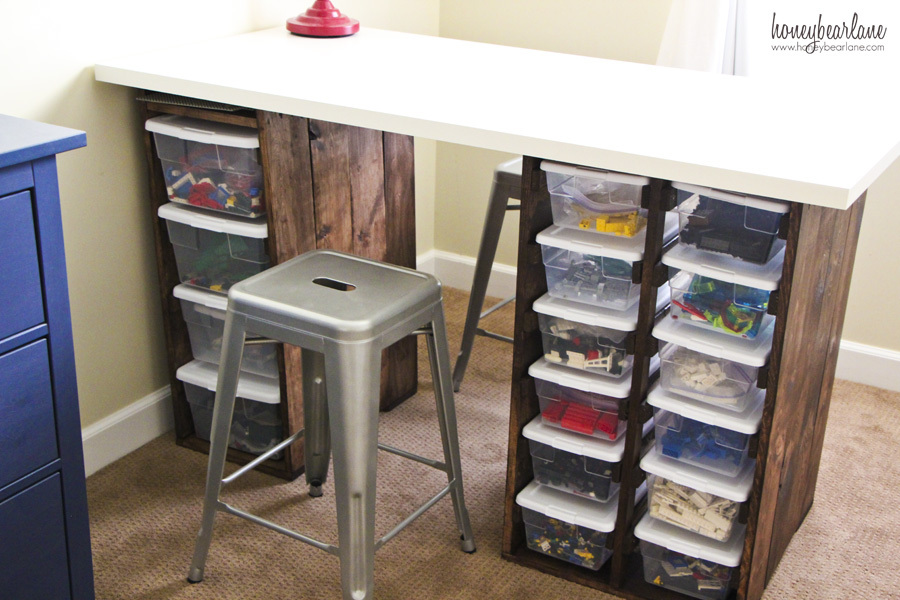
Maintaining an organized collection of 3D printing supplies is crucial for both the longevity of your materials and the efficiency of your printing process. Proper storage prevents degradation, ensures you can quickly find what you need, and contributes to a safer working environment. This section will guide you through the best practices for storing your most common printing consumables.
Filament Spool Organization
Filament, particularly materials like PLA and PETG, is susceptible to moisture absorption, which can significantly degrade print quality. Implementing effective storage methods is key to preserving its integrity and ensuring consistent results. Accessible storage also streamlines the process of switching between different filament types and colors.To keep filament spools dry and easily accessible, consider the following strategies:
- Airtight Containers: Utilize dedicated airtight filament containers or large, sealable plastic bins. For added protection, place desiccant packs (silica gel is common) inside these containers to absorb any residual moisture.
- Vacuum Sealing: For long-term storage or particularly sensitive filaments, vacuum sealing individual spools in specialized bags with desiccant packs offers superior protection against humidity.
- Filament Dryers: Invest in a filament dryer. These devices not only dry out moist filament but can also be used for storage, maintaining a low-humidity environment for your spools.
- Vertical or Horizontal Racks: Employ filament racks that allow spools to be stored either vertically or horizontally. Wall-mounted racks, shelving units, or even custom-built solutions can maximize space and make it easy to identify and select spools by color or material type.
- Labeling: Clearly label each spool with the filament type, color, brand, and any relevant printing temperature settings. This saves time and prevents accidental use of the wrong material.
Resin Storage Strategies
Photopolymer resins used in SLA and DLP printers are sensitive to light and can degrade over time if not stored correctly. Proper storage also involves adhering to safety protocols due to the chemical nature of these materials.Effective resin storage involves several key considerations:
- Light Protection: Resins cure when exposed to UV light. Therefore, store all resin bottles in opaque containers or in a dark cabinet, away from direct sunlight and any UV-emitting light sources. Amber or dark brown glass bottles offer inherent protection, but storing them within an additional opaque box is recommended.
- Temperature Control: Most resins perform best when stored at room temperature, typically between 15°C and 30°C (59°F and 86°F). Avoid extreme temperatures, both hot and cold, as they can affect the resin’s viscosity and curing properties.
- Original Containers: Whenever possible, keep resins in their original, well-sealed containers. These are designed to maintain the resin’s stability and prevent contamination.
- Safety Precautions: Always store resins in a well-ventilated area, away from food, drink, and children. Ensure containers are tightly sealed to prevent spills and vapor release. Refer to the manufacturer’s Safety Data Sheet (SDS) for specific handling and storage guidelines.
- Shake Before Use: Resins can settle over time. It is good practice to gently shake or swirl the bottle before use to ensure uniform consistency.
Spare Parts, Nozzles, and Build Plate Management
A well-organized system for spare parts, nozzles, and build plates is essential for quick repairs and seamless transitions between prints. Having these items readily available minimizes downtime and ensures you can maintain your printer’s optimal performance.A systematic approach to managing these components includes:
- Compartmentalized Organizers: Use small parts organizers with multiple drawers or compartments. These are ideal for storing screws, nuts, bolts, PTFE tubing, and other small hardware.
- Dedicated Toolboxes/Cases: Assign specific toolboxes or cases for nozzles of various sizes, spare thermistors, heater cartridges, and other electrical components.
- Nozzle Storage: Nozzles are delicate and can be easily damaged. Store them in a padded case or a dedicated compartment within a parts organizer. Ensure they are clean and free from filament residue before storage.
- Build Plate Storage: If you use multiple build plates, store them flat and protected to prevent warping or damage. Dedicated slots in a cabinet or custom-made holders can work well. For flexible build plates, ensure they are stored without excessive bending.
- Labeling and Inventory: Clearly label each compartment or case with the type of part it contains. Consider maintaining a simple inventory list (digital or physical) to track your spare parts, especially for critical components.
Labeling and Inventory Management

Establishing a well-organized 3D printing space extends beyond just physical storage; it crucially involves clear labeling and diligent inventory management. These practices ensure that you can quickly locate what you need, understand what you have, and prevent the accumulation of expired or unusable materials. Implementing a system for labeling and tracking your tools and supplies transforms a potentially chaotic workspace into an efficient and productive environment.Clear and consistent labeling is fundamental to maintaining an organized 3D printing setup.
It acts as a visual guide, helping you identify items at a glance, understand their purpose, and know their designated location. This not only saves time during your printing sessions but also minimizes the risk of using the wrong tool or material, which can lead to print failures or damage to your equipment.
Labeling Tools and Their Importance
Effective labeling of your 3D printing tools is a straightforward yet highly impactful practice. It ensures that each item is identifiable, whether it’s a specialized nozzle, a cleaning brush, or a spool of filament. This clarity prevents confusion and makes the retrieval process seamless, allowing you to focus on your creative process rather than searching for misplaced items.When labeling tools, consider the following:
- Durability: Use labels that can withstand the environment of a workshop, which might include dust, occasional contact with solvents, or fluctuating temperatures. Adhesive labels made from vinyl or laminated paper are excellent choices.
- Clarity: Print labels in a clear, legible font. Avoid overly stylized fonts that can be difficult to read.
- Information: Include the tool’s name and, if applicable, its specific size or function (e.g., “0.4mm Nozzle,” “PLA Scraper,” “Digital Caliper”).
- Color-Coding: For groups of similar items or different types of tools, consider using color-coded labels. For instance, all cutting tools could have red labels, while cleaning tools have blue labels.
- Placement: Apply labels to a visible and accessible part of the tool, ensuring they don’t interfere with its operation.
Inventory System for Filament and Consumables
Managing your filament stock and other consumables is vital for uninterrupted printing and cost-effectiveness. A simple inventory system helps you track what you have, monitor usage, and plan future purchases, preventing unexpected shortages or overstocking.To develop an effective inventory system, consider these approaches:
- Physical Inventory Sheet: A simple spreadsheet or notebook can be used to record each spool of filament. Key details to include are:
- Filament Type (e.g., PLA, ABS, PETG)
- Brand
- Color
- Weight (e.g., 1kg, 500g)
- Purchase Date
- Opening Date
- Remaining Amount (estimated or measured)
- Expiration Date (if applicable)
- Digital Inventory Tools: Various software and mobile applications are available that can help manage inventory. These often offer features like barcode scanning, reorder alerts, and detailed tracking of material usage. Many 3D printing slicer software also have features to manage filament profiles and stock.
- Visual Cues: For filament, you can use a simple color-coded sticker on the spool or a tag that indicates its status (e.g., “Full,” “Half,” “Low”).
- Regular Audits: Periodically review your inventory, ideally before starting a large print or at the beginning of each month, to update quantities and identify materials that need to be used soon.
Maintaining Up-to-Date Tool and Location Records
Keeping track of your tools and their exact locations within your workspace is essential for efficiency and to prevent loss. A well-maintained record ensures that you can always find what you need without wasting time searching.Techniques for maintaining up-to-date records include:
- Designated Tool Storage: Assign specific locations or containers for each type of tool. For example, all Allen wrenches go in one drawer, and all print removal tools are in a dedicated caddy.
- Tool Pegboards: A pegboard is an excellent way to store frequently used tools. Artikel the shape of each tool on the pegboard to indicate its designated spot. When a tool is removed, its absence is immediately obvious.
- Labeling Storage Solutions: Label shelves, drawers, and bins clearly so you know what type of tools or supplies are stored within them. This complements the labeling of individual tools.
- Inventory Log for Tools: Similar to filament, you can maintain a log for your tools. This is particularly useful for more expensive or specialized equipment. Record the tool’s name, its primary location, and perhaps a serial number or purchase date.
- Regular Workspace Tidying: Incorporate a brief tidying routine at the end of each printing session or at the end of the day. This ensures that tools are returned to their designated spots immediately, keeping your records accurate and your workspace functional.
- Digital Asset Management: For larger workshops or more complex setups, consider using a simple digital asset management system. This could be as basic as a shared spreadsheet or a dedicated inventory app where you can log each tool, its description, and its current location.
“An organized workspace is a direct reflection of an organized mind, leading to more efficient and successful 3D printing endeavors.”
Maintaining Organization Over Time
Establishing an organized 3D printing space is a commendable achievement, but the true challenge lies in sustaining that order amidst the continuous flow of projects, new tools, and evolving supplies. Proactive strategies are essential to prevent clutter from re-emerging and to ensure your workspace remains a productive and efficient environment. This involves integrating consistent habits into your routine and planning for periodic deep dives into organization.The longevity of your organized 3D printing setup hinges on a commitment to ongoing maintenance.
By implementing daily and weekly tidying rituals, thoughtfully integrating new items, and scheduling comprehensive reorganization sessions, you can ensure your workspace remains a sanctuary of efficiency and creativity.
Daily and Weekly Tidying Routines
Consistent, small-scale efforts are far more effective than infrequent, overwhelming cleanups. Establishing daily and weekly tidying routines ensures that minor messes are addressed before they escalate, making it easier to locate tools and supplies when you need them most. These routines should be integrated seamlessly into your printing workflow.A daily tidying routine should focus on immediate post-printing tasks and general workspace upkeep.
This might include:
- Wiping down the print bed and surrounding area to remove filament scraps or dust.
- Returning any frequently used tools (e.g., pliers, scrapers, tweezers) to their designated storage locations.
- Discarding any waste materials, such as failed print supports or packaging.
- Ensuring any open filament spools are properly stored to prevent moisture absorption.
A weekly tidying routine offers an opportunity for slightly more involved organization. This could involve:
- A more thorough cleaning of the workspace, including dusting shelves and work surfaces.
- Checking the inventory of consumables like filament and resin, noting any items that are running low.
- Organizing any printed parts or projects that have been completed during the week.
- Reviewing tool storage to ensure everything is in its correct place.
- Wiping down the 3D printer itself to remove any accumulated dust or debris.
Safety First in Your 3D Printing Area
Maintaining an organized 3D printing space is intrinsically linked to ensuring a safe working environment. Proper handling and storage of tools, chemicals, and electrical components are paramount to preventing accidents and ensuring the longevity of your equipment and supplies. This section will guide you through implementing robust safety protocols within your 3D printing area.A proactive approach to safety not only protects individuals but also safeguards your valuable equipment and materials from damage or degradation.
By establishing clear procedures and designated storage areas, you can significantly mitigate potential hazards.
Tool Storage Safety
The safe storage of tools is a fundamental aspect of a secure 3D printing workspace. Many tools used in 3D printing, such as cutting tools, scraping tools, and even some assembly components, can pose a risk if not stored appropriately. Electrical components also require careful consideration to prevent short circuits or other electrical hazards.
- Sharp Objects: Always store sharp tools like deburring tools, hobby knives, and scrapers in designated, secure containers or cases. Toolboxes with individual compartments or magnetic tool holders can be effective. Ensure blades are retracted or covered when not in use.
- Electrical Components: Keep electrical components, such as spare power supplies, cables, and electronic boards, organized and away from potential sources of moisture or extreme temperatures. Use anti-static bags for sensitive electronics and store them in a dry, dedicated area. Avoid overloading power strips and ensure all wiring is tidy and insulated to prevent accidental contact.
- Heavy Tools: Larger or heavier tools, like vises or Dremel rotary tools, should be stored on sturdy shelves or in dedicated tool drawers to prevent them from falling and causing injury or damage.
Chemical and Resin Storage Best Practices
The handling and storage of chemicals, particularly the resins used in SLA and DLP 3D printing, require stringent safety measures due to their potential toxicity and flammability. Adhering to these practices is crucial for personal health and environmental safety.
- Ventilation: Always store resins and uncured cleaning solvents in a well-ventilated area, ideally separate from your main workspace and living areas. Consider a dedicated cabinet with an exhaust fan.
- Temperature Control: Resins should be stored at room temperature, away from direct sunlight and extreme heat or cold, as these conditions can affect their shelf life and properties.
- Containment: Store all liquid chemicals and resins in their original, tightly sealed containers. Place these containers within secondary containment trays or bins to catch any potential leaks or spills.
- Flammability: Many cleaning agents and some resins are flammable. Store them away from any open flames, sparks, or heat sources. Ensure proper grounding for containers when transferring liquids to prevent static discharge.
- Personal Protective Equipment (PPE): Always use appropriate PPE when handling resins and chemicals, including nitrile gloves, safety glasses or goggles, and a respirator with organic vapor cartridges if ventilation is insufficient. Store PPE in an easily accessible location.
- Disposal: Familiarize yourself with local regulations for the safe disposal of uncured resins, isopropyl alcohol, and other chemical waste. Never pour these substances down drains.
“Proper storage of hazardous materials is not just about organization; it is a critical component of risk management and personal safety in any chemical-handling environment.”
Emergency Preparedness Plan
Having a comprehensive emergency preparedness plan in place for your 3D printing area can significantly improve your response in the event of an accident, fire, or other emergency. This plan should be clearly communicated and easily accessible to anyone using the space.
- Fire Safety: Ensure you have at least one fire extinguisher rated for electrical fires (Class C) and chemical fires (Class B) readily accessible. Know its location and how to operate it. Regularly check its pressure gauge. Consider installing a smoke detector in or near your printing area.
- First Aid: Keep a well-stocked first-aid kit in your workspace. Ensure it includes supplies for treating cuts, burns, and potential chemical exposure. Know the location of eyewash stations or have a portable eyewash solution available if working with potent chemicals.
- Spill Response: Develop a plan for dealing with spills of resins or cleaning solvents. Have spill containment materials, such as absorbent pads or granules, readily available. Train yourself and others on the correct procedure for cleaning up spills safely.
- Emergency Contacts: Post a list of emergency contact numbers, including local fire departments, poison control centers, and emergency medical services, in a visible location.
- Evacuation Route: Identify clear evacuation routes from your workspace and ensure they are unobstructed.
Visualizing an Organized 3D Printing Setup
A well-organized 3D printing space is not only a testament to efficiency but also a pleasure to work in. Visualizing your ideal setup can provide a clear roadmap for achieving this, transforming a cluttered area into a functional and inspiring hub for your creative endeavors. This section explores different approaches to visualizing and implementing an organized 3D printing environment, catering to various space constraints and aesthetic preferences.Visualizing your setup involves imagining the flow of your work, the accessibility of your tools, and the overall ambiance of your printing area.
Whether you have ample space or are working with a compact corner, thoughtful planning can lead to a highly effective and visually pleasing setup.
Tool Wall Design for Maximum Accessibility
A tool wall is an excellent way to keep frequently used items within easy reach and sight, promoting a streamlined workflow. This approach maximizes vertical space and creates a dynamic visual element in your printing area.A highly functional and visually appealing tool wall can be constructed using pegboards, magnetic strips, and custom shelving. The key is to group similar items together and ensure that each tool has a designated spot.
For instance, a pegboard can be equipped with various hooks, holders, and small bins. Here’s a breakdown of how items can be strategically placed:
- On the upper section: Frequently accessed hand tools like tweezers, scrapers, pliers, and wire cutters can be hung on dedicated hooks. Small, clear bins attached to the pegboard can store screws, nuts, and small electronic components.
- In the middle section: Larger tools such as digital calipers, deburring tools, and a soldering iron with its stand can be mounted or placed on small shelves. Magnetic strips are ideal for holding metal tools like files, hobby knives, and replacement nozzle sets.
- On the lower section: Rolls of filament can be stored on specialized wall-mounted spool holders, or if space permits, on a small, tiered shelving unit. Safety glasses and gloves can be hung on sturdy hooks.
- Integrated storage: Small drawers or cabinets mounted below the pegboard can house less frequently used items, spare parts, or cleaning supplies.
The aesthetic appeal can be enhanced by using a consistent color scheme for the tools and storage solutions, or by incorporating elements like custom-made wooden tool holders.
Compact Workbench for Small-Space Printing
For those with limited space, a compact and efficient workbench setup is crucial. This design prioritizes multi-functionality and smart utilization of every inch.A small-space workbench can be achieved by using a sturdy desk or table with integrated storage and modular components. The goal is to create a dedicated printing zone that minimizes clutter and maximizes productivity. Consider a setup that includes:
- Fold-down or wall-mounted workbench: This can be a game-changer for very small spaces, offering a generous work surface when needed and folding away neatly when not in use.
- All-in-one printer stand with storage: Many compact printer stands incorporate drawers or shelves specifically designed to hold filament spools, tools, and spare parts.
- Stackable bins and drawers: Utilize vertical space above and around the workbench with stackable storage solutions for filament, tools, and print materials.
- Multi-purpose mats: A heat-resistant and easy-to-clean mat on the workbench surface can protect it from accidental spills or hot components, while also providing a stable printing area.
- Integrated cable management: Using cable ties, clips, or raceways to keep all cords tidy and out of the way is essential for a clean and safe compact workspace.
The visual appeal of a compact setup can be achieved through a minimalist design, clean lines, and a consistent color palette for all storage and equipment.
Well-Lit and Ventilated Printing Enclosure with Integrated Storage
A dedicated printing enclosure not only enhances print quality by controlling the environment but also provides a safe and organized space for your 3D printer. Integrating storage within the enclosure further optimizes functionality.A well-designed printing enclosure should prioritize adequate lighting, effective ventilation, and accessible storage. Imagine an enclosure that is both a protective shell and a functional workspace. Key elements to consider include:
- Illumination: Integrated LED strip lighting, either along the top edges or within the enclosure, provides consistent and bright illumination for monitoring prints and performing maintenance. The LEDs should be positioned to avoid glare on the print bed.
- Ventilation system: A small, quiet exhaust fan connected to a carbon filter or vented to the outside is crucial for removing fumes and airborne particles. The fan should be strategically placed to ensure good air circulation without creating drafts that could affect print quality.
- Integrated storage compartments: Small, built-in shelves or drawers within the enclosure can house frequently used tools like scrapers, nozzles, and cleaning brushes. These compartments should be easily accessible without needing to open the entire enclosure, or designed to be accessible from the side or front.
- Filament spool holder: A small spool holder mounted inside the enclosure, or directly above it, can ensure a smooth filament path and keep spools organized.
- Material: The enclosure itself can be constructed from materials like acrylic, wood, or even 3D printed panels, with clear panels allowing for easy visual monitoring of the printing process.
The visual aspect of such an enclosure can be sleek and modern, with clean lines and a professional finish. The integrated lighting can create an inviting glow, making the printing process more engaging and the workspace more aesthetically pleasing.
Adapting Organization for Different Printing Technologies
As 3D printing technology diversifies, so do the requirements for organizing your tools and supplies. Different printing methods necessitate distinct approaches to storage, safety, and workflow management to ensure optimal results and a secure working environment. Understanding these nuances is key to maintaining an efficient and productive 3D printing setup, regardless of the technology you employ.The organization of your 3D printing space should be tailored to the specific demands of your chosen printing technology.
This involves considering the types of materials used, the post-processing steps involved, and the inherent safety precautions required for each method. By adapting your organizational strategies, you can significantly enhance both the quality of your prints and the overall safety of your workspace.
FDM Printing vs. Resin (SLA/DLP) Printing Organization Needs
While both FDM (Fused Deposition Modeling) and Resin (SLA/DLP) printing share the common goal of producing three-dimensional objects, their operational processes and material handling requirements lead to distinct organizational needs. FDM printing typically involves spools of filament, various nozzle sizes, and tools for cleaning and maintenance, whereas resin printing demands careful management of liquid photopolymers, curing stations, and specialized cleaning agents.
- Filament Storage (FDM): FDM printing requires organized storage for filament spools. This includes keeping them dry and dust-free, often in airtight containers with desiccant packs to prevent moisture absorption, which can degrade filament quality and lead to printing issues. Shelving units or dedicated filament racks are ideal for easy access and visual inventory.
- Tool and Part Storage (FDM): Tools such as pliers, cutters, scrapers, and nozzle cleaning tools need to be readily accessible. Drawer organizers, pegboards, or toolboxes are effective for keeping these items tidy. Printed parts and failed prints should have a designated area for examination or recycling.
- Resin Handling and Storage (SLA/DLP): Resin printing requires a dedicated, well-ventilated area for handling and storing liquid resins. Bottles of resin should be kept upright, away from direct sunlight and extreme temperatures, in a secure location to prevent spills.
- Cleaning Station (SLA/DLP): A dedicated cleaning station is crucial for resin prints. This typically involves isopropyl alcohol (IPA) or other cleaning agents, gloves, paper towels, and a container for washing prints. Proper ventilation is paramount due to the volatile nature of IPA.
- Curing Area (SLA/DLP): Resin prints require post-curing under UV light. A dedicated curing station, whether a standalone unit or a DIY setup, needs to be organized with space for the prints and the UV light source, ensuring it’s safely enclosed to prevent UV exposure.
- Waste Management (SLA/DLP): Special attention must be paid to the disposal of uncured resin, used cleaning agents, and contaminated materials. These should be collected in designated, sealed containers for proper hazardous waste disposal, following local regulations.
Organized System for a Multi-Material FDM Setup
Managing a multi-material FDM setup introduces complexity, as it involves handling multiple filament types, potentially different extruder setups, and more intricate print preparation. An organized system ensures smooth transitions between materials and efficient troubleshooting.A well-structured approach for a multi-material FDM printer focuses on material management, tool accessibility, and maintenance routines. This allows for seamless switching between different filament types and ensures that the printer’s specialized components are well-cared for.
- Filament Management System: For printers with multiple extruders or automatic material changers, a robust filament management system is essential. This includes organized storage for multiple spools, ensuring each is clearly labeled with its material type, brand, and color. Consider using a multi-spool holder that can be mounted directly to the printer or placed nearby.
- Tool and Spare Part Organization: Beyond standard FDM tools, a multi-material setup may require specialized tools for calibrating multiple extruders, cleaning multiple nozzles, or servicing different hotends. A dedicated section in your toolbox or on a pegboard should be allocated for these specific items. Keep spare nozzles, PTFE tubes, and any other wear-and-tear parts organized and easily accessible.
- Print Bed Preparation Station: If you use different build surfaces or adhesives for various materials, create a dedicated station for preparing your print beds. This might include separate containers for glue sticks, hairspray, or specialized bed adhesives, along with cleaning supplies for each type of surface.
- Calibration and Maintenance Logs: For multi-material printers, regular calibration of multiple extruders is critical. Maintain a logbook or digital record of calibration dates, settings, and any notes. This helps in tracking performance and troubleshooting issues related to material compatibility or extrusion consistency.
- Software and Profile Management: Organize your slicer profiles to correspond with different material combinations. Clearly named profiles for specific filament pairings (e.g., “PLA-PETG Combo,” “TPU-PLA Support”) will streamline your workflow and reduce errors.
Organized and Safe Space for Handling and Storing SLA Resins and Cleaning Agents
Resin 3D printing, while producing incredibly detailed prints, requires a heightened focus on safety due to the nature of the materials involved. Establishing a dedicated, organized, and safe space is paramount for protecting your health and ensuring the longevity of your equipment.This dedicated space should prioritize ventilation, spill containment, and secure storage for all resin-related materials, including the resins themselves, cleaning agents like isopropyl alcohol, and disposable protective gear.
Adherence to strict organizational protocols minimizes exposure risks and maintains a clean working environment.
- Ventilation: The primary concern is adequate ventilation to disperse fumes from resins and cleaning agents. Ideally, this space should be in a well-ventilated room or have a dedicated extraction system that vents outdoors. Avoid enclosed, unventilated spaces.
- Resin Storage: Store resin bottles upright, away from direct sunlight, heat sources, and potential ignition sources. Use opaque, airtight containers or cabinets to shield resins from light, which can cause them to cure prematurely. Label all resin bottles clearly with the material type, color, and batch information. Keep them organized on shelves with a lip to prevent them from falling.
- Cleaning Agent Storage: Isopropyl alcohol (IPA) is highly flammable. Store IPA in its original, sealed containers in a cool, well-ventilated area, away from any open flames or sparks. Consider using secondary containment trays for added safety against spills.
- Spill Containment and Cleanup: Have spill kits readily available. These should include absorbent materials (like paper towels or specialized spill pads), nitrile gloves, and a designated container for disposing of contaminated waste. A tray or mat placed under the printer and cleaning area can catch minor drips and spills.
- Personal Protective Equipment (PPE): Store your PPE, including nitrile gloves, safety glasses or goggles, and disposable aprons, in an easily accessible location near your workspace. Ensure a designated bin for disposing of used PPE.
- Waste Disposal: Uncured resin, contaminated wipes, and used gloves are considered hazardous waste. Have a clearly labeled, sealed container specifically for this waste. Research and adhere to your local regulations for the proper disposal of hazardous chemical waste.
- Curing Station Organization: Ensure your UV curing station is organized and that its enclosure effectively prevents UV light leakage. Keep it separate from your resin storage and handling area to avoid accidental curing of stored resins.
Closing Notes

In conclusion, the pursuit of an organized 3D printing space is not merely about aesthetics; it is a strategic investment in efficiency, safety, and the overall quality of your creations. By implementing the principles discussed, from thoughtful layout design and smart storage solutions to diligent labeling and consistent maintenance, you will cultivate an environment that fosters creativity and minimizes frustration.
Embrace these practices to elevate your 3D printing experience, ensuring that your passion for innovation is supported by a workspace that is as refined and capable as your designs.