How to Use a Fume Extractor for ABS and ASA introduces the critical importance of proper ventilation in 3D printing, especially when working with ABS and ASA filaments. These materials, while popular for their durability and excellent printing properties, release volatile organic compounds (VOCs) and other potentially harmful fumes. This guide will navigate you through understanding the hazards, the benefits of fume extraction, and the various types of extractors available, setting the stage for a safer and more enjoyable printing experience.
We will delve into the fundamental components and functionality of fume extractors, explaining how activated carbon filters and pre-filters work in tandem to neutralize airborne contaminants. Understanding the mechanics of airflow and how it effectively captures and filters fumes is key to appreciating the technology. This section aims to demystify the inner workings of these devices, empowering you with knowledge about their operational principles.
Introduction to Fume Extraction for 3D Printing with ABS and ASA
Printing with advanced filaments like ABS (Acrylonitrile Butadiene Styrene) and ASA (Acrylonitrile Styrene Acrylate) offers remarkable durability and versatility, making them ideal for functional prototypes and end-use parts. However, these materials also release fumes during the heating and extrusion process that warrant careful consideration for user safety and environmental well-being. Proper ventilation is not merely a recommendation but a crucial step in ensuring a healthy and productive 3D printing environment.The emissions from ABS and ASA are a direct result of the chemical compounds within these plastics breaking down under heat.
Understanding these specific hazards is the first step towards mitigating them effectively. The primary benefits of employing a fume extractor stem directly from addressing these risks, leading to a cleaner, safer, and more enjoyable printing experience. For desktop 3D printing enthusiasts, several types of fume extractors are readily available, each offering a different approach to air purification.
Hazards Associated with ABS and ASA Fumes
When ABS and ASA filaments are heated to their printing temperatures, they release volatile organic compounds (VOCs) and ultrafine particles (UFPs). These emissions are a significant concern for indoor air quality.
- Styrene: ABS and ASA are styrene-based polymers. During printing, styrene can be released, which is a known irritant to the eyes, skin, and respiratory system. Prolonged exposure to styrene has been linked to neurological effects and is classified as a possible human carcinogen by the International Agency for Research on Cancer (IARC).
- Acrylonitrile: This component, present in both ABS and ASA, is also a volatile organic compound. Acrylonitrile is an irritant and has been associated with various health concerns, including potential carcinogenic effects.
- Ultrafine Particles (UFPs): In addition to chemical fumes, 3D printing processes, especially with ABS and ASA, generate a substantial number of UFPs. These particles are extremely small and can penetrate deep into the lungs, potentially causing inflammation and exacerbating respiratory conditions like asthma.
- Odor: While not a direct health hazard in small quantities, the characteristic odor produced by ABS and ASA can be strong and unpleasant, contributing to an uncomfortable printing environment.
Benefits of Using a Fume Extractor
Implementing a fume extractor during ABS and ASA printing directly combats the aforementioned hazards, offering a range of significant advantages for the user and the surrounding environment.
- Improved Air Quality: The most critical benefit is the removal of harmful VOCs and UFPs from the immediate printing area, creating a safer breathing environment.
- Reduced Odor: Fume extractors effectively capture and filter out the unpleasant odors associated with ABS and ASA, making the printing process more pleasant.
- Health Protection: By minimizing exposure to styrene, acrylonitrile, and UFPs, fume extractors help protect users from potential short-term irritations and long-term health risks.
- Printer Longevity: In some cases, excessive fume buildup can lead to residue settling on printer components. While not a primary function, improved air circulation can indirectly contribute to a cleaner printer.
- Compliance with Recommendations: Many health and safety organizations recommend adequate ventilation when working with these materials, and a fume extractor is a proactive way to achieve this.
Common Types of Fume Extractors for Desktop 3D Printing
The market offers several types of fume extractors suitable for desktop 3D printing, catering to different needs and budgets. These devices generally work by drawing air from the printing environment, passing it through a filtration system, and expelling cleaner air.
Active Filtration Systems
These systems actively draw air through a series of filters to remove contaminants.
- Activated Carbon Filters: These are the most common and effective for capturing VOCs and odors. Activated carbon has a porous structure that adsorbs chemical compounds. For ABS and ASA, a robust carbon filter is essential.
- HEPA Filters: High-Efficiency Particulate Air (HEPA) filters are designed to capture very small particles, including the UFPs generated during printing. Many fume extractors combine HEPA and activated carbon filters for comprehensive air purification.
Enclosure-Based Ventilation
These solutions often involve integrating a ventilation system directly into a 3D printer enclosure.
- Enclosed Printers with Built-in Filtration: Some 3D printers designed for materials like ABS come with integrated fan and filter systems. These are often the most seamless solutions, ensuring that the entire print volume is contained and ventilated.
- DIY Enclosure Ventilation Kits: For users with existing open-frame printers, creating or purchasing an enclosure and adding a custom ventilation system is a popular option. This typically involves a fan, ducting, and a filter box (often with activated carbon).
External Air Purifiers
While not specifically designed for 3D printing, some standalone air purifiers can offer a degree of fume extraction, especially those with robust activated carbon and HEPA filtration.
- Desktop Air Purifiers: Smaller air purifiers can be placed near the 3D printer to help circulate and filter the air in the general vicinity. Their effectiveness depends on the unit’s power and filter quality.
Understanding Fume Extractor Components and Functionality
To effectively manage the volatile organic compounds (VOCs) and particulate matter released during 3D printing with ABS and ASA, it’s crucial to understand how a fume extractor operates. This involves familiarizing yourself with its core components and the scientific principles behind their functionality. A well-designed fume extractor creates a controlled airflow that captures airborne contaminants at their source and processes them through a filtration system before releasing cleaner air.The primary goal of a fume extractor is to draw contaminated air away from the print area and pass it through specialized filters.
This process not only improves air quality in your workspace but also helps protect your health from potential respiratory irritants and fumes associated with these common 3D printing materials.
Core Components of a Typical Fume Extractor
A standard fume extractor for 3D printing typically comprises several key components, each playing a vital role in the fume capture and filtration process. Understanding these parts will help you appreciate the system’s effectiveness and identify potential maintenance needs.
- Housing/Enclosure: This is the outer shell of the unit, designed to contain all internal components and direct airflow. Its design often includes an intake port for capturing fumes and an exhaust port for releasing filtered air.
- Fan/Blower: The heart of the system, the fan is responsible for generating the airflow. It creates negative pressure, drawing ambient air and printing fumes into the extractor. The power and efficiency of the fan determine the volume of air that can be processed per unit of time (airflow rate, often measured in CFM or m³/h).
- Pre-filter: Positioned before the main filter, the pre-filter captures larger particles such as dust, plastic fibers, and filament residue. This protects the more sensitive main filter from premature clogging.
- Activated Carbon Filter: This is the primary filtration stage for VOCs. It’s a porous material, typically granular or pelletized, that adsorbs chemical contaminants from the air.
- Exhaust Port: The outlet where the filtered air is released back into the environment.
- Power Supply: This component provides the necessary electrical energy to operate the fan and any associated controls.
Activated Carbon Filters for VOC Neutralization
Activated carbon filters are indispensable for mitigating the chemical fumes produced by ABS and ASA. Their effectiveness stems from a process known as adsorption, a surface phenomenon where molecules adhere to the surface of the adsorbent material.Activated carbon is produced by heating carbon-rich materials (like coal, wood, or coconut shells) in the absence of oxygen, followed by activation with steam or chemicals.
This process creates an incredibly porous structure with a vast internal surface area. For example, a single gram of activated carbon can have a surface area equivalent to a football field. This extensive surface area is where the magic happens.When VOCs, such as styrene and its derivatives found in ABS and ASA fumes, come into contact with the activated carbon, they are attracted to and held onto its surface.
This effectively removes them from the airstream. The capacity of the carbon filter to adsorb these compounds is finite; once its adsorption sites are saturated, it can no longer effectively filter the air and requires replacement.
The Role of Pre-filters in Extending Main Filter Life
Pre-filters are a crucial, often overlooked, component in extending the operational lifespan of the main activated carbon filter. Their function is to act as a sacrificial layer, capturing larger airborne particles that would otherwise settle on and clog the more delicate and expensive activated carbon media.Without a pre-filter, the fine pores of the activated carbon would quickly become blocked by dust, filament debris, and other particulate matter generated during the 3D printing process.
This clogging reduces the effective surface area available for adsorption of VOCs and significantly impedes airflow, leading to a decrease in the fume extractor’s efficiency and requiring premature replacement of the carbon filter.Typical pre-filters are made from materials like polyester or fiberglass mesh, which are easily cleaned or replaced at a fraction of the cost of the main filter. Regularly inspecting and cleaning or replacing the pre-filter is a simple yet highly effective maintenance practice.
Airflow Mechanics for Effective Fume Capture
The effectiveness of a fume extractor is fundamentally dependent on its ability to create and maintain an optimal airflow pattern. This airflow is designed to capture airborne contaminants at their source and direct them through the filtration system.The fan within the fume extractor generates a consistent negative pressure within the intake. This pressure differential draws air from the surrounding environment, including the fumes emanating from the heated 3D print bed and nozzle, into the extractor.
The design of the intake nozzle or hood is critical; it should be positioned as close as possible to the source of the fumes to maximize capture efficiency.The captured air then passes sequentially through the pre-filter, which removes larger particles, and then the activated carbon filter, where VOCs are adsorbed. The filtered air, now significantly cleaner, is then expelled from the unit.
The ideal airflow for effective fume capture should be laminar, meaning the air moves in smooth, parallel layers, rather than turbulent, which would cause the fumes to disperse. This is achieved through a combination of fan power and well-designed ducting or enclosures.
The volume of air processed, often referred to as the airflow rate or air changes per hour (ACH), is a key metric. For a typical 3D printing enclosure, an ACH of 5-10 is generally recommended to ensure adequate air purification. This means the entire volume of air within the enclosure is filtered and replaced at least 5 to 10 times every hour.
Selecting the Right Fume Extractor for ABS and ASA Printing

Choosing the appropriate fume extractor is a crucial step in ensuring a safe and pleasant 3D printing environment, especially when working with materials like ABS and ASA, which are known for emitting potentially harmful volatile organic compounds (VOCs) and ultrafine particles (UFPs). This section will guide you through the key considerations to make an informed decision.The performance of a fume extractor is not a one-size-fits-all metric.
Understanding the relevant performance indicators will help you match the extractor’s capabilities to the demands of ABS and ASA printing.
Evaluating Fume Extractor Performance Metrics for ABS/ASA Printing
When assessing fume extractors for ABS and ASA printing, several performance metrics are particularly important to consider. These metrics directly influence the effectiveness of the system in capturing and filtering airborne contaminants.
- Airflow Rate (CFM/CMH): This is a primary indicator of how much air the extractor can process per unit of time. For ABS and ASA printing, a higher airflow rate is generally better, as it ensures a rapid exchange of air within the enclosure or print area, effectively removing fumes. A common recommendation for small to medium enclosures is an airflow rate that can exchange the air at least 5-10 times per hour.
For example, a 1 cubic meter enclosure would benefit from an extractor with a capacity of 5-10 cubic meters per hour (CMH).
- Filtration Efficiency: This refers to the percentage of particles or gases that the filter can remove. For ABS and ASA, which release both UFPs and VOCs, a multi-stage filtration system is ideal. Look for extractors that specify high efficiency for HEPA-grade particles (e.g., 99.97% of particles 0.3 microns and larger) and also include activated carbon filters for VOCs.
- Static Pressure: This metric indicates the extractor’s ability to overcome resistance in the airflow path, such as through filters and ducting. A higher static pressure capability ensures that the extractor can maintain its rated airflow even when filters become loaded or when the airflow path is restricted. This is especially important for systems with enclosed print chambers.
- Capture Velocity: This measures the speed of airflow at the point of fume generation required to effectively draw the fumes into the extraction system. While often harder to quantify for consumer-grade units, it’s a key factor in determining how close the extractor’s intake needs to be to the print bed.
Integrated vs. External Fume Extractor Solutions
The choice between an integrated and an external fume extractor depends on your existing setup, space constraints, and desired level of convenience. Both have distinct advantages and disadvantages.
Integrated fume extractors are designed to be part of the 3D printer enclosure itself, often built directly into the printer’s housing or as an add-on module specifically designed for that printer model. This offers a streamlined and aesthetically pleasing solution, as the extraction system is neatly incorporated into the overall design. The primary advantage is ease of use and setup, as it’s often plug-and-play.
However, integrated solutions might have limitations in terms of filter size and replacement options, and their performance might be optimized for the specific printer rather than general use.
External fume extractors, on the other hand, are standalone units that can be placed near the 3D printer or connected via flexible ducting. These offer greater flexibility in terms of filter types, capacities, and placement. They can be used with virtually any 3D printer or enclosure. The main considerations for external units are space requirements and the need for proper ducting to direct fumes effectively.
For example, a powerful benchtop fume extractor with a long flexible hose can be positioned to capture fumes directly from the print nozzle, offering superior localized extraction.
Extractor Size and Noise Level Considerations
The physical dimensions and operational noise of a fume extractor are critical factors, especially for home or workshop environments where space might be limited and noise can be a disturbance.
When considering the size of the fume extractor, think about where it will be placed. A compact unit might be suitable for a small desk setup, while a larger, more powerful extractor might require dedicated space on a workbench or floor. For instance, a desktop-sized unit with dimensions similar to a small air purifier might be ideal for a hobbyist’s desk, whereas a larger tower-style extractor could be placed on the floor beside a large-format printer.
Noise levels are typically measured in decibels (dB). For a home environment, aiming for an extractor that operates below 50 dB is often desirable, as this is comparable to the sound of a quiet conversation or a refrigerator. Some high-performance extractors can exceed 60 dB, which might be disruptive for prolonged use. Many manufacturers provide noise level ratings, so it’s advisable to check these specifications before purchasing.
Some extractors also offer adjustable fan speeds, allowing you to balance extraction power with noise output.
Effectiveness of Different Filter Materials for ABS and ASA Fumes
The effectiveness of a fume extractor is largely determined by its filtration system. For ABS and ASA, which emit a complex mix of pollutants, a combination of filter types is usually necessary.
| Filter Material | Primary Function | Effectiveness for ABS/ASA Fumes | Considerations |
|---|---|---|---|
| Activated Carbon | Adsorption of Volatile Organic Compounds (VOCs) and odors. | Highly effective for removing the chemical odors and gaseous pollutants associated with ABS and ASA. The larger the surface area and density of the carbon, the more effective it is. | Requires periodic replacement as the carbon becomes saturated. |
| HEPA (High-Efficiency Particulate Air) Filter | Mechanical filtration of particulate matter, including ultrafine particles (UFPs). | Essential for capturing UFPs released by ABS and ASA, which can be harmful if inhaled. A true HEPA filter captures at least 99.97% of particles 0.3 microns in size. | Can become clogged with particles over time, reducing airflow. Needs replacement when efficiency drops or airflow is significantly impeded. |
| Pre-filters | Captures larger dust particles and debris. | Helps to extend the lifespan of the primary HEPA and carbon filters by preventing them from being overloaded with larger particles. | Typically washable or easily replaceable. |
For optimal performance when printing with ABS and ASA, a multi-stage filtration system that includes a pre-filter, a HEPA filter, and a substantial activated carbon filter is highly recommended. This combination ensures that both particulate matter and gaseous pollutants are effectively removed from the air.
Setting Up and Installing a Fume Extractor
Now that you understand the components and have selected the right fume extractor for your ABS and ASA printing needs, the next crucial step is its proper setup and installation. A well-installed fume extractor ensures maximum efficiency in capturing and removing harmful fumes, contributing to a healthier printing environment. This section will guide you through the general process, from assembly to integration with your printing setup.
Fume Extractor Assembly
Most fume extractors are designed for straightforward assembly, allowing you to get them operational quickly. The specific steps may vary slightly depending on the manufacturer and model, but the core process generally involves connecting the main unit to its accessories.
The typical assembly process includes the following steps:
- Unpacking and Inspection: Carefully unpack all components and inspect them for any signs of damage during shipping. Ensure all parts listed in the manual are present.
- Attaching the Fan Unit: If the fan unit is separate, it will typically attach to the main housing with screws or a locking mechanism. Ensure a secure fit to prevent vibrations and noise.
- Connecting the Filter Cartridge: The filter cartridge, often a combination of activated carbon and particulate filters, usually slides or screws into a designated compartment within the extractor. Ensure it is properly seated to create an airtight seal.
- Attaching the Flexible Hose: Connect the flexible exhaust hose to the designated port on the extractor unit. Secure it with a clamp or bayonet fitting as provided.
- Connecting the Power Supply: Plug the power cord into the extractor and then into a suitable electrical outlet.
Fume Extractor Placement for Optimal Capture
The effectiveness of your fume extractor hinges significantly on its placement relative to your 3D printer and its enclosure. Strategic positioning ensures that the airborne particles and volatile organic compounds (VOCs) are drawn into the extractor before they can disperse into your workspace.
To achieve optimal fume capture, consider the following:
- Proximity to the Print Area: The fume extractor should be positioned as close as practically possible to the 3D printer’s print bed or the area where fumes are generated. This minimizes the distance fumes have to travel.
- Directing Airflow: The intake of the fume extractor, often the opening of the flexible hose, should be directed towards the primary source of fume emission. For enclosed printers, position the intake near the top of the enclosure, as hot air and fumes tend to rise.
- Enclosure Integration: If you are using a 3D printer enclosure, the fume extractor hose should ideally be routed through a designated vent or opening in the enclosure. This creates a more contained system for fume extraction.
- Avoid Obstructions: Ensure that the fume extractor and its intake hose are not obstructed by the printer, filament spools, or other equipment. Unrestricted airflow is critical.
Creating a Sealed or Semi-Sealed Environment
For the most effective fume extraction, it is highly beneficial to create a sealed or semi-sealed environment around your 3D printer. This containment strategy prevents the escape of fumes into the wider room, channeling them directly into the extractor.
The importance of a sealed environment can be understood through these points:
- Concentrated Fume Capture: A sealed enclosure concentrates the fumes generated during printing, making it easier for the extractor to capture them efficiently.
- Reduced Room Contamination: By preventing fumes from escaping, the overall air quality in your workspace is significantly improved, reducing exposure risks.
- Enhanced Extractor Performance: When the air has fewer escape routes, the extractor operates under a more consistent and directed airflow, maximizing its filtration capabilities.
- Considerations for Semi-Sealed Environments: While a fully sealed enclosure is ideal, a semi-sealed setup can still be very effective. This might involve using a cover with minimal gaps or strategically placed vents that direct airflow towards the extractor.
Connecting to Existing Ventilation Systems
In some setups, you may wish to connect your fume extractor to an existing home or workshop ventilation system. This can be particularly useful if you want to exhaust the filtered air directly outside your building.
Best practices for connecting to an existing ventilation system include:
- Consulting Ventilation Manuals: Always refer to the user manuals for both your fume extractor and your existing ventilation system. Compatibility and proper connection methods are crucial.
- Using Appropriate Adapters: You may need specific adapters to seamlessly connect the fume extractor’s exhaust hose to your building’s ductwork. Ensure these adapters create a secure and airtight connection.
- Maintaining Airflow Balance: Be mindful of how adding an extractor might affect the overall airflow balance of your existing system. Overloading or creating significant backpressure can reduce efficiency.
- Professional Installation: For complex or integrated ventilation systems, consider consulting a professional HVAC technician to ensure the connection is made safely and effectively. This is especially important if you are connecting to a central air system or exhaust fan designed for significant airflow.
- Regular Maintenance: Regardless of the connection method, regular inspection and maintenance of both the fume extractor and the connected ventilation system are essential for continued optimal performance.
Operating a Fume Extractor During ABS and ASA Prints
Ensuring optimal air quality during the printing process is paramount when working with ABS and ASA filaments. This section delves into the practical aspects of operating your fume extractor, from initial activation to post-print ventilation, guaranteeing a safer and more pleasant printing environment.The effective use of a fume extractor relies on timely operation and continuous monitoring to maintain air purity throughout the printing cycle.
Understanding these operational nuances will significantly enhance your 3D printing experience.
Optimal Timing for Fume Extractor Activation
The ideal moment to switch on your fume extractor is just before the printing process commences, ensuring that any fumes generated from the initial heating of the nozzle and print bed are captured immediately. This proactive approach prevents the dispersal of volatile organic compounds (VOCs) into your workspace.Here are the key considerations for timing your fume extractor’s activation:
- Pre-heating Phase: Activate the extractor as soon as you initiate the pre-heating sequence for your nozzle and print bed. ABS and ASA can release fumes even before the print starts, especially as they reach their optimal printing temperatures.
- Bed Adhesion: Turn on the extractor before the first layer is laid down. This is a critical period where the filament begins to melt and bond to the print surface, potentially releasing the most concentrated fumes.
- Continuous Operation: Maintain the extractor’s operation throughout the entire duration of the print job, from the first layer to the final cooling phase.
Monitoring Fume Extractor Performance During a Print
Regularly checking the fume extractor’s performance ensures it is effectively removing airborne contaminants. This monitoring can be done visually, audibly, and through observing the print environment.To effectively monitor your fume extractor’s performance during a print, consider the following procedures:
- Airflow Check: Periodically feel the airflow at the exhaust vent of the extractor. A consistent and strong airflow indicates that the fan is functioning correctly and the filters are not excessively clogged.
- Noise Levels: Listen for any unusual changes in the extractor’s operating noise. A sudden increase in noise might suggest a blockage or that the fan is working harder than usual, possibly due to clogged filters.
- Odor Detection: While the primary goal is to eliminate odors, a faint smell might still be detectable if the extractor is struggling to keep up or if there’s a leak in the enclosure. Significant odor indicates a potential issue with the extractor’s effectiveness or seal.
- Filter Indicator (if applicable): If your fume extractor has a filter status indicator, regularly check it for any warnings or notifications regarding filter life.
Adjusting Fan Speed or Airflow Settings
Many fume extractors offer adjustable fan speeds, allowing you to tailor the airflow to the specific demands of your print. This customization helps optimize performance and energy consumption.The adjustment of fan speed or airflow settings should be based on several factors to ensure maximum efficiency:
- Print Size and Complexity: Larger and more complex prints often require a higher airflow to effectively manage the increased surface area and potential for prolonged fume generation. For smaller prints, a lower setting might suffice and reduce noise.
- Print Duration: Longer prints may benefit from a consistent, robust airflow to prevent fume buildup over extended periods. For very short prints, a slightly lower setting might be acceptable after the initial fume burst.
- Filament Type and Brand: While ABS and ASA are the focus, different brands or specific formulations of these filaments can have varying levels of fume emission. You may need to experiment with settings to find the optimal balance.
- Enclosure Type: If you are using a fully enclosed 3D printer, the airflow requirements might differ compared to an open-frame printer. A well-sealed enclosure can help concentrate fumes towards the extractor.
It is advisable to start with a medium to high setting for ABS and ASA prints and then reduce it if you find the noise level to be too intrusive and the air quality remains satisfactory.
Recommended Operational Duration After Print Completion
Allowing the fume extractor to run for a period after the print has finished is crucial for clearing any residual fumes that may have settled within the printer or its enclosure. This ensures that the workspace remains clean even after the printing stops.The recommended operational duration for the extractor post-print is as follows:
- Initial Cooling: Continue running the extractor for at least 15 to 30 minutes after the print bed has reached its cooling temperature and the print has been removed. This allows for the capture of any lingering fumes released during the cooling process.
- Enclosure Ventilation: If your printer has an enclosure, it is beneficial to keep the extractor running with the enclosure doors open for an additional period to thoroughly ventilate the enclosed space.
- Filter Longevity: While running the extractor longer is good for air quality, be mindful of filter lifespan. However, for ABS and ASA, prioritizing air quality by running it post-print is generally recommended.
The exact duration can be adjusted based on the size of the print, the ambient ventilation of your room, and your personal sensitivity to any residual odors.
Maintenance and Filter Replacement for Fume Extractors
Proper maintenance is crucial for ensuring your fume extractor continues to effectively remove harmful fumes and particles generated during ABS and ASA 3D printing. Regular checks and timely filter replacements not only safeguard your health but also prolong the lifespan of your equipment. This section will guide you through the essential maintenance procedures.Regular inspection of your fume extractor’s components is vital for optimal performance and safety.
Establishing a consistent schedule for these checks will help you identify potential issues before they escalate, ensuring your printing environment remains healthy and your equipment functions reliably.
Component Inspection Schedule
To maintain the efficiency and longevity of your fume extractor, a regular inspection schedule should be followed. This proactive approach helps in identifying wear and tear, ensuring all parts are functioning as intended, and preventing unexpected breakdowns.A comprehensive inspection schedule includes:
- Daily Checks: Visually inspect the exterior for any obvious damage, ensure the fan is operating smoothly without unusual noises, and confirm that the unit powers on and off correctly.
- Weekly Checks: Examine the pre-filter for visible dust and particle accumulation. Check the housing for any signs of stress or damage. Ensure the power cord and connections are secure and free from fraying.
- Monthly Checks: Test the airflow to ensure it hasn’t diminished significantly. This can be done by feeling the air expelled or by using a simple anemometer if available. Inspect the activated carbon filter’s mounting for security.
- Quarterly Checks: A more thorough inspection of the fan blades for dust buildup and potential imbalance. Check all seals and gaskets for integrity.
Activated Carbon Filter Replacement Indicators
The activated carbon filter is the primary component responsible for adsorbing volatile organic compounds (VOCs) and odors produced by ABS and ASA printing. Over time, its adsorptive capacity diminishes, making replacement essential. Several indicators can help you determine when it’s time for a change.The lifespan of an activated carbon filter is influenced by several factors, including the frequency and duration of printing, the specific filament used, and the ambient air quality.
Paying attention to these signs will ensure the filter remains effective:
- Odor Detection: The most common indicator is the reappearance of plastic odors or chemical smells during or after printing, which the extractor previously eliminated. If you start noticing fumes or smells that the extractor is no longer capturing, it’s a strong sign the carbon filter is saturated.
- Reduced Airflow: While less direct, a clogged carbon filter can restrict airflow, leading to a noticeable decrease in the volume of air being extracted. This might be perceived as a weaker suction.
- Print Duration and Usage: Manufacturers often provide an estimated filter life based on hours of operation. For example, a filter rated for 500 hours of use in a frequently used setup might need replacement every 3-6 months. For hobbyist use, this might extend to a year or more.
- Manufacturer Recommendations: Always consult your fume extractor’s manual for specific replacement intervals recommended by the manufacturer, which are often based on typical usage scenarios.
“The saturation of activated carbon is a finite process; once the adsorption sites are filled, the filter loses its ability to capture VOCs and odors.”
Activated Carbon and Pre-Filter Replacement Steps
Replacing the filters in your fume extractor is a straightforward process that ensures continued optimal performance. It’s important to follow these steps carefully to ensure safety and proper installation.Before you begin, ensure the fume extractor is unplugged from the power source to prevent any accidental activation. Having new, compatible filters readily available will make the process smoother.
- Power Down and Unplug: Disconnect the fume extractor from the electrical outlet.
- Access the Filter Compartment: Locate the filter housing. This is typically accessed by removing a cover, often secured with screws or clips. Refer to your extractor’s manual for specific instructions on how to open the compartment.
- Remove the Used Pre-Filter: The pre-filter is usually the outermost layer. Gently slide or pull it out. Note its orientation if it’s shaped to fit in a specific way.
- Remove the Used Activated Carbon Filter: Carefully remove the activated carbon filter. It might be housed within a frame or directly accessible. Handle it with care to avoid releasing trapped particles into the air.
- Install the New Pre-Filter: Insert the new pre-filter into its designated slot. Ensure it fits snugly and covers the area effectively.
- Install the New Activated Carbon Filter: Place the new activated carbon filter into its position. Ensure it is seated correctly and securely, following any specific installation guides provided with the filter or extractor.
- Reassemble the Filter Compartment: Securely close and fasten the filter compartment cover, ensuring all screws or clips are properly tightened.
- Test the Extractor: Plug the fume extractor back in and turn it on to ensure it is operating correctly and that airflow is strong.
Used Filter Disposal Methods
Proper disposal of used filters is important to prevent the release of any captured particles or residual chemicals back into the environment. Always adhere to local regulations and guidelines for hazardous waste disposal.The method of disposal can vary depending on the type of filter and local waste management policies.
- Pre-Filters: These typically capture larger particles and dust. In most residential settings, they can be disposed of with regular household waste. However, if significant amounts of hazardous material were captured, local regulations may apply.
- Activated Carbon Filters: These filters have adsorbed VOCs and other chemical compounds. While often considered non-hazardous for residential disposal, it is best practice to treat them with caution. Check with your local waste management authority for specific guidance. Some specialized recycling programs may exist for activated carbon filters.
- Manufacturer Guidance: Always refer to the fume extractor manufacturer’s recommendations and any specific instructions that come with replacement filters regarding disposal.
Housing and Fan Cleaning Procedures
Beyond filter replacement, keeping the extractor’s housing and fan clean is essential for maintaining airflow efficiency and preventing potential overheating or mechanical issues. Dust and debris can accumulate on fan blades and within the housing, impacting performance over time.A clean extractor not only looks better but also functions more effectively and reliably. Regular cleaning ensures optimal air intake and exhaust, contributing to a healthier printing environment.
- Power Down and Unplug: As with filter replacement, always ensure the fume extractor is unplugged before cleaning.
- Clean the Housing: The exterior and accessible interior surfaces of the housing can be wiped down with a damp cloth. For stubborn grime, a mild detergent can be used, but ensure no liquid seeps into the fan or electronic components. Dry thoroughly.
- Clean the Fan Blades: Accessing the fan may require removing the filter cover or a specific panel, as detailed in your user manual. Use a soft brush, compressed air, or a vacuum cleaner with a brush attachment to gently remove dust and debris from the fan blades. Be careful not to bend or damage the blades.
- Check Air Vents: Ensure all air intake and exhaust vents are clear of obstructions. Dust buildup here can significantly impede airflow.
- Reassemble: Once all components are clean and dry, reassemble any parts that were removed for cleaning.
Integrating Fume Extraction with 3D Printer Enclosures
Integrating a fume extractor directly with your 3D printer enclosure is a highly effective strategy for capturing and removing harmful VOCs and particulate matter generated during ABS and ASA printing. This approach ensures that fumes are contained at their source, preventing their escape into your workspace. A well-designed integration not only enhances safety but also contributes to a cleaner printing environment and potentially improved print quality by maintaining a more stable internal temperature.This section will guide you through the conceptualization, design, and implementation of integrating a fume extractor with common 3D printer enclosures.
We will explore practical methods for achieving a secure seal, managing airflow, and modifying existing enclosures to accommodate this crucial safety feature.
Conceptual Layout for Enclosure Integration
A successful integration involves positioning the fume extractor’s intake port in close proximity to the enclosure’s internal volume, ideally with a direct path for fumes to be drawn towards it. The extractor’s exhaust should then be vented to the outside or through a suitable filtration system. The primary goal is to create a negative pressure within the enclosure relative to the surrounding environment, ensuring that any air leakage is inward, carrying fumes towards the extraction point.A common conceptual layout involves a dedicated vent or port on the enclosure that connects directly to the fume extractor’s intake hose or adapter.
This connection point should be strategically placed to capture fumes rising from the heated print bed and nozzle area. For enclosures with a solid top, a top-mounted vent is often ideal. For enclosures with a door, a vent positioned near the top rear of the enclosure can be very effective. The extractor itself can be placed adjacent to the enclosure, on top of it, or even mounted remotely if ducting is used.
Sealing the Enclosure to the Extractor’s Intake
Creating an effective seal between the 3D printer enclosure and the fume extractor’s intake is paramount to preventing fume escape. An imperfect seal will allow untreated air to enter the enclosure, diluting the concentration of fumes at the extraction point and potentially drawing fumes out through other unintended openings. Various materials and techniques can be employed to achieve this.Considerations for creating a seal include:
- Gasket Materials: Foam tape, rubber gaskets, or even strips of felt can be used to create a compressible seal around the connection point. These materials conform to irregular surfaces and provide a good barrier against air leakage.
- Hose Clamps and Adapters: For flexible hoses, sturdy hose clamps are essential to secure the connection and prevent it from coming loose. Custom-designed 3D printed adapters can be created to precisely match the enclosure’s vent and the extractor’s hose, ensuring a snug fit.
- Duct Tape and Sealants: While less permanent, high-quality duct tape can be used for temporary seals or to reinforce existing connections. For more permanent solutions, silicone sealants can be applied around fixed connections, though this makes future disassembly more challenging.
- Magnetic Seals: For enclosures with metal frames or panels, magnetic strips can be incorporated to help hold sealing materials in place and ensure a tight closure.
Airflow Management Within the Enclosure
Effective airflow management within the enclosure ensures that fumes are efficiently directed towards the fume extractor’s intake. Without proper airflow, fumes might linger in certain areas of the enclosure or even find their way out before reaching the extraction point. The goal is to establish a consistent flow of air that sweeps the generated fumes towards the intake.To manage airflow effectively:
- Strategic Vent Placement: The intake vent for the fume extractor should be positioned in a location that naturally collects fumes, such as the upper rear of the enclosure. If the enclosure has an air inlet, it should be placed opposite the extraction point to create a cross-flow that pushes fumes towards the extractor.
- Fan Assistance (Optional): In larger or more complex enclosures, a small internal fan might be beneficial to actively circulate air and guide fumes towards the extraction port. This fan should be positioned to create a gentle flow towards the intake, not to create turbulence that could spread fumes.
- Minimizing Air Leaks: Beyond the main connection to the extractor, ensure all other seams, door seals, and cable entry points are as airtight as possible. This reinforces the directed airflow towards the intended extraction point.
- Temperature Stability: While directing fumes, consider how airflow might affect the enclosure’s internal temperature. For printers sensitive to temperature fluctuations, a balance must be struck between effective fume extraction and maintaining a stable print environment.
Materials and Techniques for Enclosure Modification
Modifying existing 3D printer enclosures to accommodate fume extraction can range from simple additions to more involved customizations. The choice of materials and techniques will depend on the enclosure’s original construction and your desired level of integration.Common materials and techniques include:
- Acrylic or Polycarbonate Sheets: These are frequently used for building or modifying enclosures. They can be easily cut and drilled to create vent openings for the fume extractor’s intake.
- 3D Printed Adapters and Mounts: Leveraging 3D printing itself, you can design and print custom adapters that precisely fit your enclosure’s dimensions and your fume extractor’s hose or port. These can include mounting brackets to secure the extractor or a duct.
- Grommets and Flanges: For a clean and professional finish, rubber grommets can be installed in drilled holes to create smooth entry points for hoses. Flanges can be attached to the enclosure’s exterior to provide a mounting surface for adapters or hoses.
- Hole Saws and Rotary Tools: For creating precise circular openings in acrylic or plastic enclosures, hole saws or rotary tools with cutting attachments are highly effective.
- Weatherstripping and Silicone Sealant: As mentioned earlier, these are crucial for ensuring airtight seals around any new openings or modifications made to the enclosure.
For instance, a common modification for a standard acrylic enclosure might involve drilling a hole in the rear panel, installing a 3D printed flange with a threaded or barbed fitting, and then connecting the fume extractor’s hose to this fitting. This creates a secure and sealed pathway for fumes to be drawn out. Another approach for a fabric enclosure might involve sewing in a reinforced opening with a drawstring or zipper mechanism to allow for a tight seal around the extractor’s hose.
Safety Precautions and Best Practices
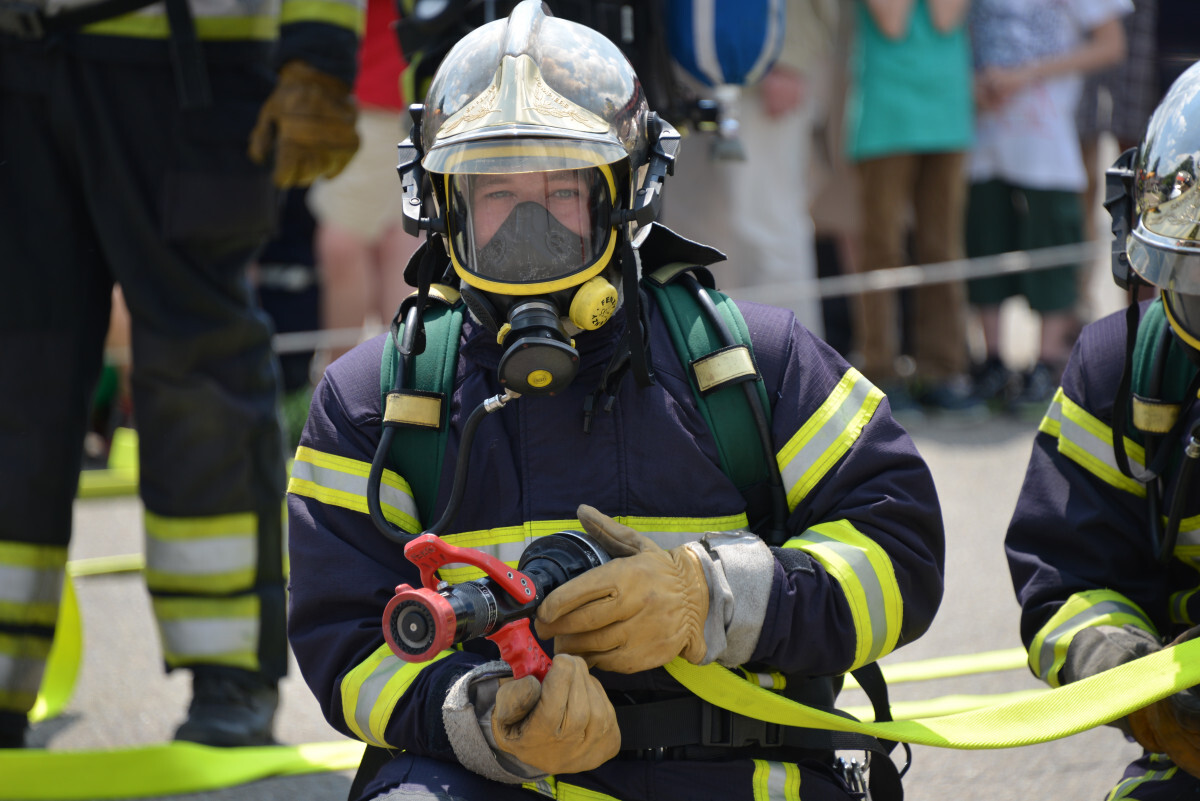
Prioritizing safety is paramount when working with any fume extraction system, especially when dealing with materials like ABS and ASA. Implementing robust safety measures ensures a healthy and secure printing environment for both the user and the equipment. Adhering to best practices not only mitigates immediate risks but also contributes to the long-term well-being of those involved in 3D printing.Implementing a comprehensive safety protocol for your fume extraction system is crucial for a secure 3D printing experience.
These guidelines are designed to protect you and your equipment from potential hazards associated with printing ABS and ASA filaments.
Essential Safety Measures for Fume Extraction Systems
When operating a fume extraction system, it is vital to adhere to a set of essential safety measures to prevent accidents and ensure optimal performance. These precautions cover everything from initial setup to ongoing operation.
- Ensure the fume extractor is properly grounded to prevent electrical hazards.
- Always operate the fume extractor in a well-ventilated area, even with the system running, as an extra layer of protection.
- Regularly inspect the power cord and all connections for any signs of damage.
- Never operate the fume extractor without a properly installed and functional filter.
- Keep the area around the fume extractor clear of flammable materials.
- Familiarize yourself with the manufacturer’s operating manual before initial use.
- Avoid placing objects on top of the fume extractor that could obstruct airflow.
Importance of Regular Air Quality Monitoring
Consistent monitoring of the air quality in your printing environment is indispensable for verifying the effectiveness of your fume extraction system and for safeguarding your health. This practice allows for proactive identification of potential issues before they become significant problems.The air quality in your 3D printing space can be influenced by various factors, including the type of filament used, the efficiency of your fume extractor, and the overall ventilation of the room.
Regular monitoring provides objective data to assess these influences.
- Use an air quality monitor that can detect Volatile Organic Compounds (VOCs) and particulate matter.
- Establish baseline air quality readings when no printing is occurring to understand the ambient conditions.
- Take readings during and immediately after printing sessions with ABS and ASA to assess fume levels.
- Compare readings against recommended occupational exposure limits for relevant chemicals, if available.
- If readings consistently exceed safe levels, investigate potential causes, such as filter efficiency or system airflow.
Response to Filter Malfunction or Unexpected Fumes
In the event of a filter malfunction or the appearance of unexpected or excessive fumes, immediate and decisive action is required to ensure safety. Having a clear protocol in place will help manage such situations effectively.Unexpected fume events can be alarming, but a calm and systematic response is key. This includes knowing when to stop printing and how to address the root cause.
- Immediately stop the 3D printing process if you notice an unusual odor or visible fumes that the extractor is not effectively capturing.
- If the fume extractor’s indicator lights suggest a filter issue, or if you suspect a malfunction, turn off the unit.
- Ventilate the room thoroughly by opening windows and doors.
- Inspect the filter for signs of blockage, damage, or saturation.
- If a filter malfunction is confirmed or suspected, replace the filter according to the manufacturer’s instructions.
- If the problem persists after filter replacement, consult the fume extractor’s manual or contact customer support.
- In case of significant or persistent fume release, evacuate the area and seek professional advice.
Long-Term Health Benefits of Consistent Fume Extraction
The consistent and proper use of fume extraction systems for printing with ABS and ASA offers significant long-term health benefits by minimizing exposure to potentially harmful airborne particles and chemicals. This proactive approach to air quality management is an investment in your well-being.ABS and ASA filaments can release styrene, butadiene, and other VOCs, as well as fine particulate matter, during the printing process.
Prolonged inhalation of these substances has been linked to various health concerns.
Consistent fume extraction significantly reduces the risk of respiratory irritation, headaches, and other acute symptoms associated with exposure to 3D printing fumes. Over the long term, it can contribute to a lower risk of developing chronic respiratory conditions and other health issues.
Final Conclusion
In conclusion, mastering the use of a fume extractor for ABS and ASA printing is an essential step towards creating a healthier and more controlled 3D printing environment. From selecting the right device and setting it up correctly to understanding its operation, maintenance, and integration with enclosures, this comprehensive guide equips you with the knowledge to mitigate risks and enhance your printing workflow.
Prioritizing safety and air quality ensures you can continue to explore the full potential of these versatile filaments with confidence and peace of mind.